The house is quiet, every tap is off, and still you can hear water moving behind the plaster. Here is what that sound usually means, and how to trace it before it becomes damage.
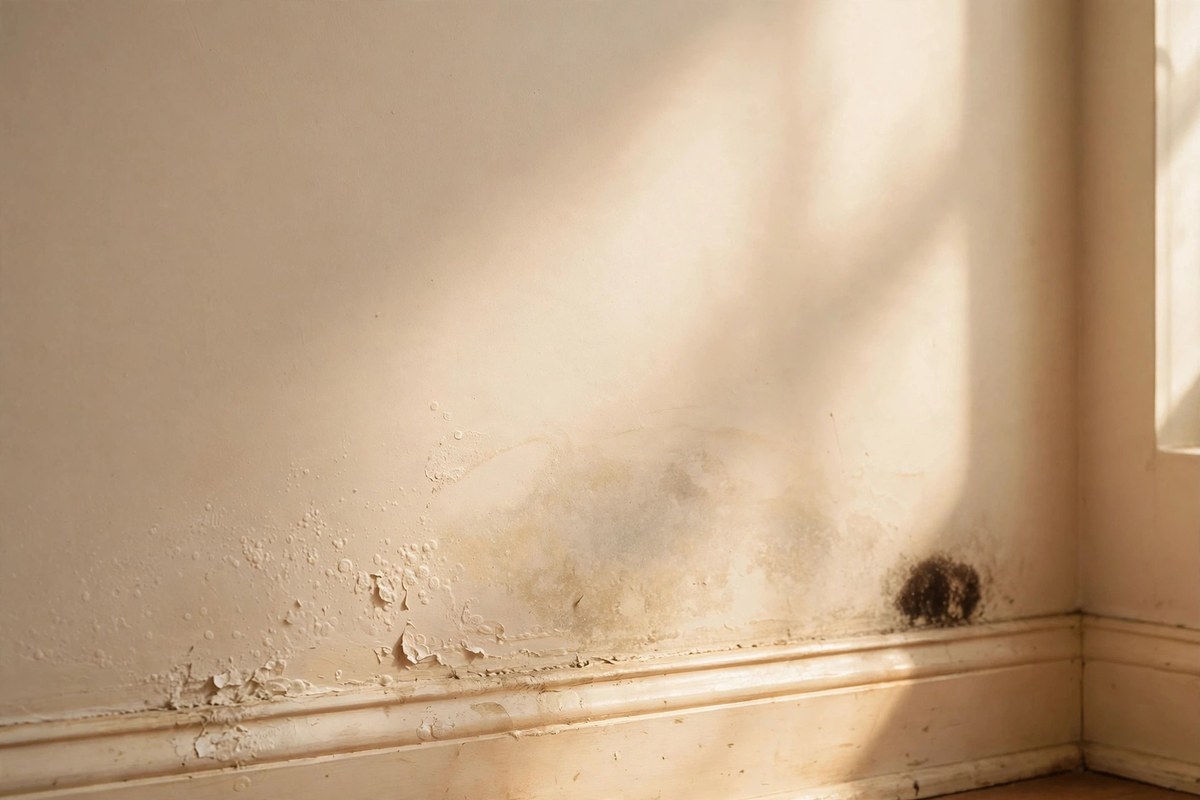
It usually happens at night, when the house finally goes quiet. The television is off, the dishwasher has finished, and as you walk down the hall you catch it: a faint rushing or trickling sound coming from inside a wall, as if a tap were running in a room where nobody is standing. You check every bathroom, every sink, and everything is off. Yet the sound is still there, steady and unmistakable.
That moment is unsettling for a good reason. In a house where no water should be moving, the sound of running water in walls is one of the clearest early warnings a hidden leak gives you. Unlike a puddle on the floor, it does not wait for damage to become visible. It tells you water is moving somewhere it should not be, while the wall still looks perfectly normal from the outside. The trick is not to panic, and not to ignore it either. A little careful listening and a few simple checks will usually tell you whether you are hearing normal household noise or a leak that needs attention, and they cost nothing but a quiet half hour.
Not every water sound in a wall is a leak, and learning the difference saves a lot of unnecessary worry. Houses are full of water moving through pipes for perfectly ordinary reasons, and some of those sounds carry surprisingly well through framing and drywall. A toilet refilling in the next room, a water heater topping itself up after a shower, or condensate draining from an air conditioner on a warm North Texas afternoon can all sound like something running inside the wall you are standing next to.
The way to tell them apart is timing. Normal sounds start and stop with a cause: they follow a flush, a shower, or a washing machine cycle, and then they fade. A leak does not follow that pattern. It keeps going when the house is idle, at the same steady pace, whether it is morning or the middle of the night. Stand in the quietest part of the house, with the dishwasher, washing machine, and every tap off, and listen for a full minute. If the sound is still there, unchanged, you have a genuine reason to investigate further.
If you are unsure, repeat the listening test at a different time of day. A sound that is there every time you check, regardless of what the household is doing, is behaving like a leak, not like background noise.
Once you are fairly sure the sound is not normal, the next question is where it starts. In most Keller homes, a hidden water sound traces back to one of a handful of places, and working through them in order narrows the search fast. The most common is a supply line — the pressurised pipe that carries water to a tap, toilet, or shower. A pinhole or a failing joint in a supply line leaks continuously, day and night, which is exactly why the sound never stops. Bathroom walls are the usual suspects, because so many supply lines run together behind a shower or a pair of back-to-back bathrooms.
A second possibility is a drain line, but drains behave differently: they only make noise when water is actually draining, so a drain problem tends to gurgle or trickle after a flush or a shower and then go quiet. If your sound is constant, a supply line is the likelier culprit. A third source, and one people often overlook, is a toilet that is not sealing properly — a fill valve that never quite shuts off can sound like water running in the wall of the adjoining room, and our guide to a running toilet wasting water covers how to catch that with a simple dye test. Finally, in homes around Keller Parkway and the older streets near Old Town Keller, an irrigation main or an outdoor line that enters through an exterior wall can carry sound indoors, so do not rule out a line that starts outside the house.
Resist the urge to cut into the plaster. Water inside a wall rarely sits politely at the site of the break. It runs along pipes, soaks into insulation, follows studs downward, and can show up several feet from where it started. Opening a wall on a guess usually means opening a second one once the first turns up dry, and each opening is a repair bill of its own. There are better checks to run first, and they all start with silence.
The single most useful test is the water meter test, which our guide to checking for a water leak walks through step by step. With every tap, toilet, and appliance off, watch the meter for fifteen to twenty minutes. If it moves, water is leaving the system somewhere, and your ears are not playing tricks. If it sits perfectly still, the sound is more likely appliance noise or a drain settling, and you can keep an eye on it rather than escalate. While the house is quiet, press your ear gently to the wall in a few spots and note where the sound is loudest — that hotspot, even if it is only a couple of feet across, is genuinely useful information for whoever investigates next. Check the shut-off valves under nearby sinks and behind toilets for dampness, look for a musty smell at the baseboard, and run a hand along the wall for a patch that feels cooler or warmer than the rest. A warm patch in particular matters in a slab home, because a hot-water line under the floor can telegraph its heat upward, and that is territory covered by our guide to slab leak detection. Note everything you find, with times. A short written record of when the sound appears, how steady it is, and what the meter did turns a vague worry into a clear picture.
Keller's housing stock makes hidden leaks both more likely and harder to spot. Much of the city grew fast through the nineties and two-thousands, and many homes still run on their original plumbing, with supply lines buried in walls and under concrete slabs. Add Tarrant County's expansive clay soil, which swells when wet and shrinks when dry, and you have ground that quietly stresses buried and wall-run pipes year after year, season after season. A joint that held fine for a decade can start weeping after a long dry summer followed by heavy rain, and the first sign is often nothing more visible than a sound.
The construction itself helps the leak hide. Insulation muffles the noise just enough that it sounds distant, drywall holds a surprising amount of water before it stains, and tile in a bathroom can mask dampness entirely until the adhesive underneath gives way. That is why a wall can sound wet for days while looking completely dry, and why the absence of a stain should never be treated as the all-clear. The same patience that makes a leak hard to see is what makes listening to it so valuable: the sound is often the earliest signal you get, well before paint bubbles or a baseboard swells. Treating that early signal seriously is what keeps a small pipe repair from becoming a wall rebuild.
Most hidden water sounds are urgent without being a midnight crisis, but a few signs mean you should stop investigating and act now. If the sound suddenly gets much louder, if water appears on the floor or through a ceiling below, if a section of wall feels soft, bulging, or warm to the touch, or if you smell gas rather than dampness, do not wait for a convenient appointment. A gas smell is a different problem entirely: leave the house, do not touch electrical switches, and follow the guidance from Atmos Energy for your area. For water, shut off the main supply valve if you know where it is — usually near the street or in a utility area — and that single action stops the damage from growing while help is on the way.
For a steady sound with no visible water, the right next step is professional water leak detection rather than a general guess. Acoustic listening equipment can hear the exact point where pressurised water is escaping and separate a supply-line leak from a drain or slab problem, which means only a small section of wall or floor needs opening. If the sound is accompanied by a warm floor, a damp baseboard, or a meter that will not sit still, say so upfront, because those details point the search in the right direction from the start. And if water ever breaks through visibly — a ceiling stain spreading, a floor buckling, a wall giving way — treat it as an emergency leak and get the water stopped first, before worrying about the repair. For a solid household reference on leak checks, the EPA's WaterSense leak guidance covers the same meter and fixture tests in one place. The sound in your wall is your house telling you something early. Listening to it, testing it, and acting on what you find is how a faint trickle stays a small job.
Not necessarily. A supply pipe can leak for a while before water shows on the surface, especially inside a wall packed with insulation or behind a tiled bathroom wall. Water follows gravity and the path of least resistance, so it may travel along a pipe or a stud and appear feet away from the actual break, or pool inside the wall cavity where you cannot see it. A sound with no visible mark is still a reason to run the meter test and keep listening over the next day or two. If the sound comes and goes with a fixture — a toilet refill, a washing machine cycle — note the pattern, because that timing is exactly what helps narrow the source down.
Yes, and that is worth ruling out before you worry. A water heater refilling after a shower, condensate draining from an air conditioning unit on a warm afternoon, or a toilet refilling in the next room can all sound like water moving in a wall. The test is simple: stand quietly with everything off, including the dishwasher and washing machine, and listen. If the sound stops completely once the house is truly idle, it was almost certainly normal appliance noise. If it keeps going with nothing running, and especially if your meter moves at the same time, treat it as a possible leak rather than background noise.
Cutting into drywall before you know where the leak is usually creates a bigger repair than the leak itself, because water rarely appears right at the break. A smarter order is to run the meter test, check the fixtures and shut-off valves, and listen along the wall to find where the sound is loudest. Professional water leak detection uses acoustic listening to pinpoint the spot before anything is opened, so only a small section comes out. If the wall is bulging, soft to the touch, or the paint is bubbling, leave it alone and get it looked at promptly, because a saturated wall can hide damaged wiring and mould behind the surface.
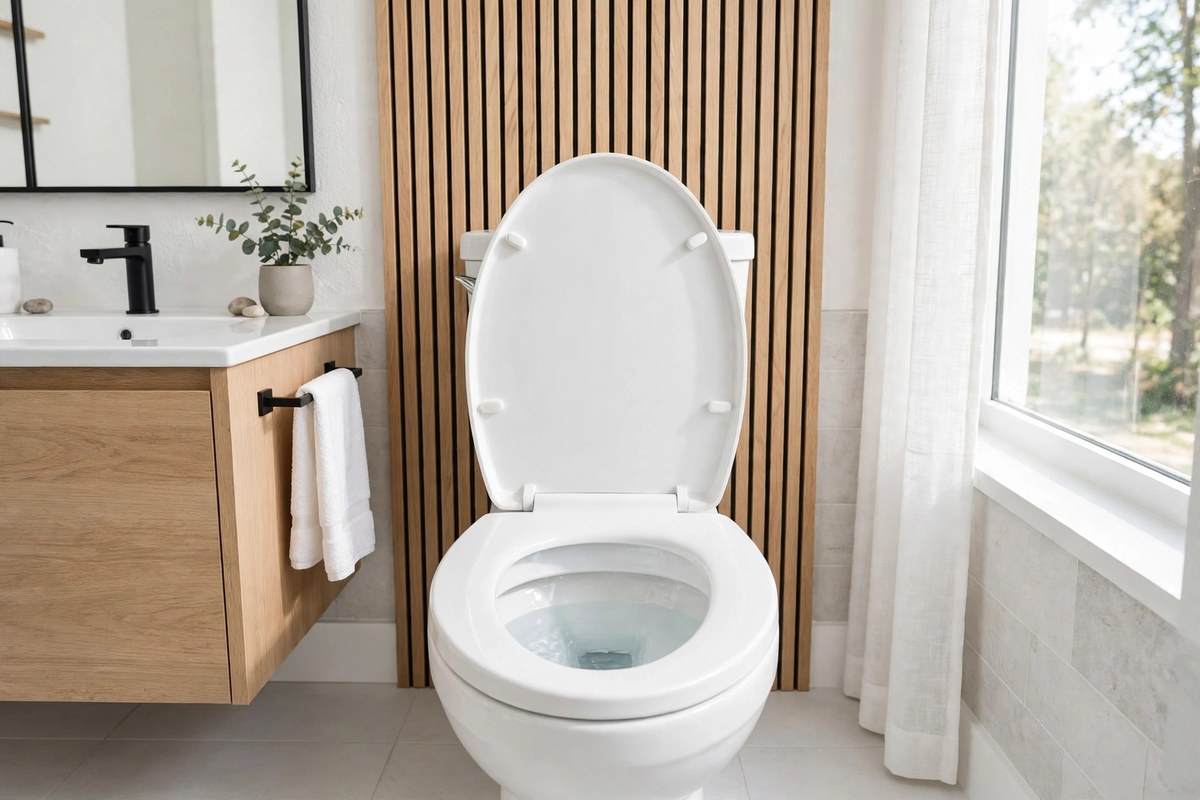
You barely notice it anymore — that faint refill sound every few minutes. But a toilet that never fully shuts off is one of the most common hidden leaks in a Keller home.
Read the guide →
Everything is off, nothing is dripping, yet the meter keeps moving. In Keller that almost always means water is going somewhere you can't see — here's how to find where.
Read the guide →Fast response across Keller · Non-invasive equipment · Up-front explanation of your options
