Hidden leaks waste water, drive up your bill and quietly damage your Keller home's foundation. Our leak detection specialists locate slab, water, gas, sewer and pool leaks precisely — using non-invasive equipment, not guesswork and demolition.
Whether it is a slab leak under your foundation, a hidden pipe leak inside a wall, or a pool losing water overnight, finding the exact location is the first step — and the step that saves you the most money. A precise diagnosis means a targeted repair instead of torn-up floors and exploratory digging.
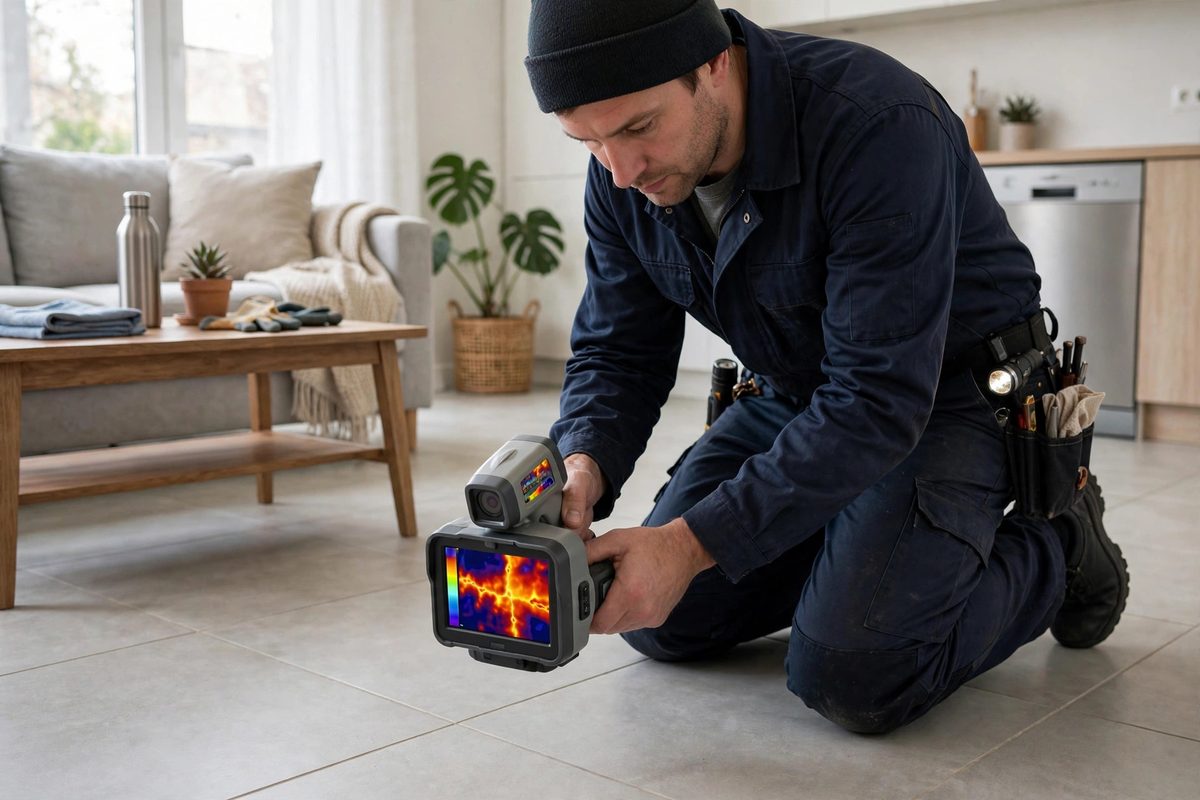
Leaks under your concrete foundation, pinpointed without tearing up floors.
Slab Leak Detection in Keller →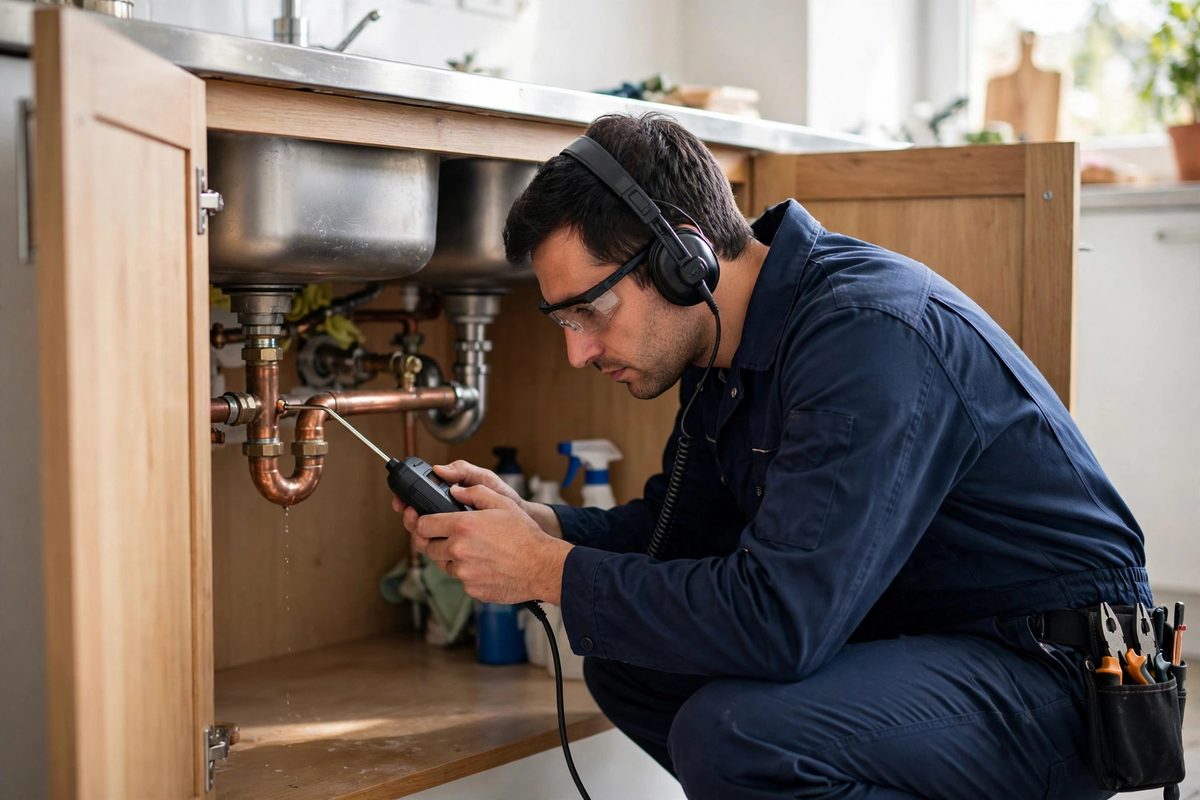
Hidden pipe leaks found with acoustic and infrared equipment.
Water Leak Detection in Keller →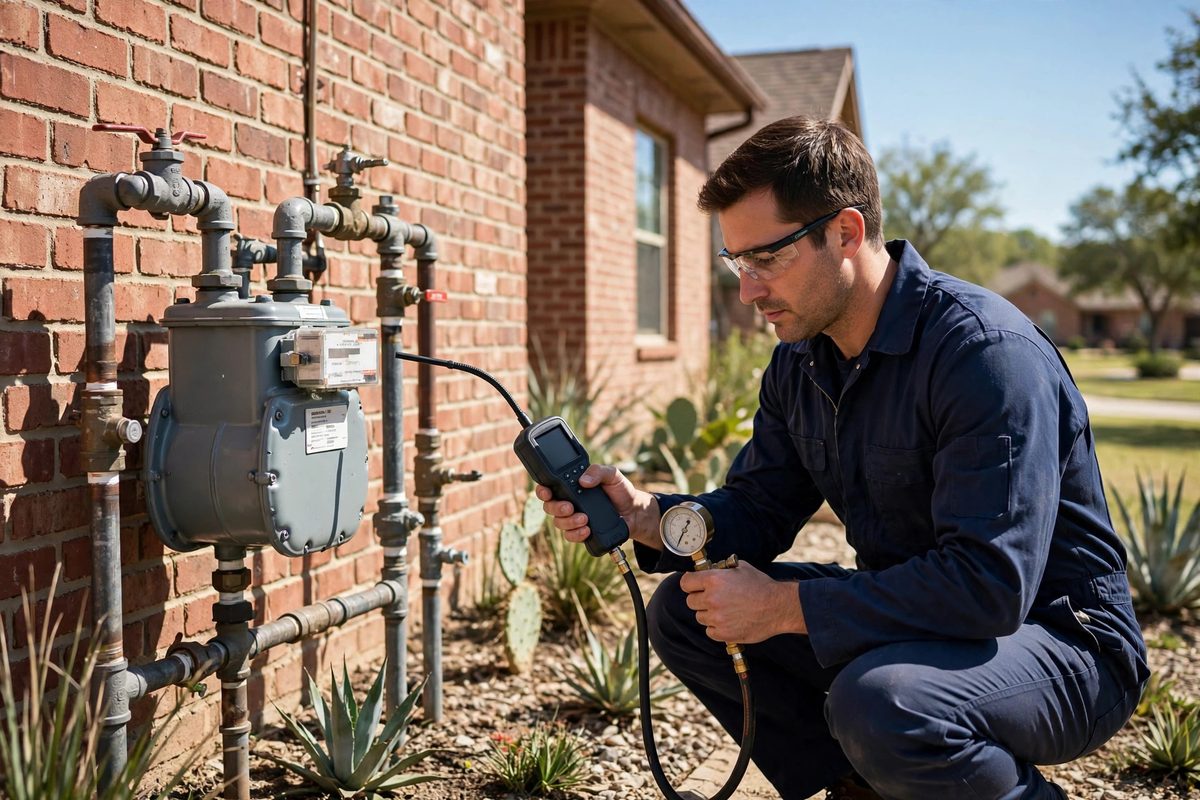
Suspect a gas leak? Fast, safe location and pressure testing.
Gas Leak Detection in Keller →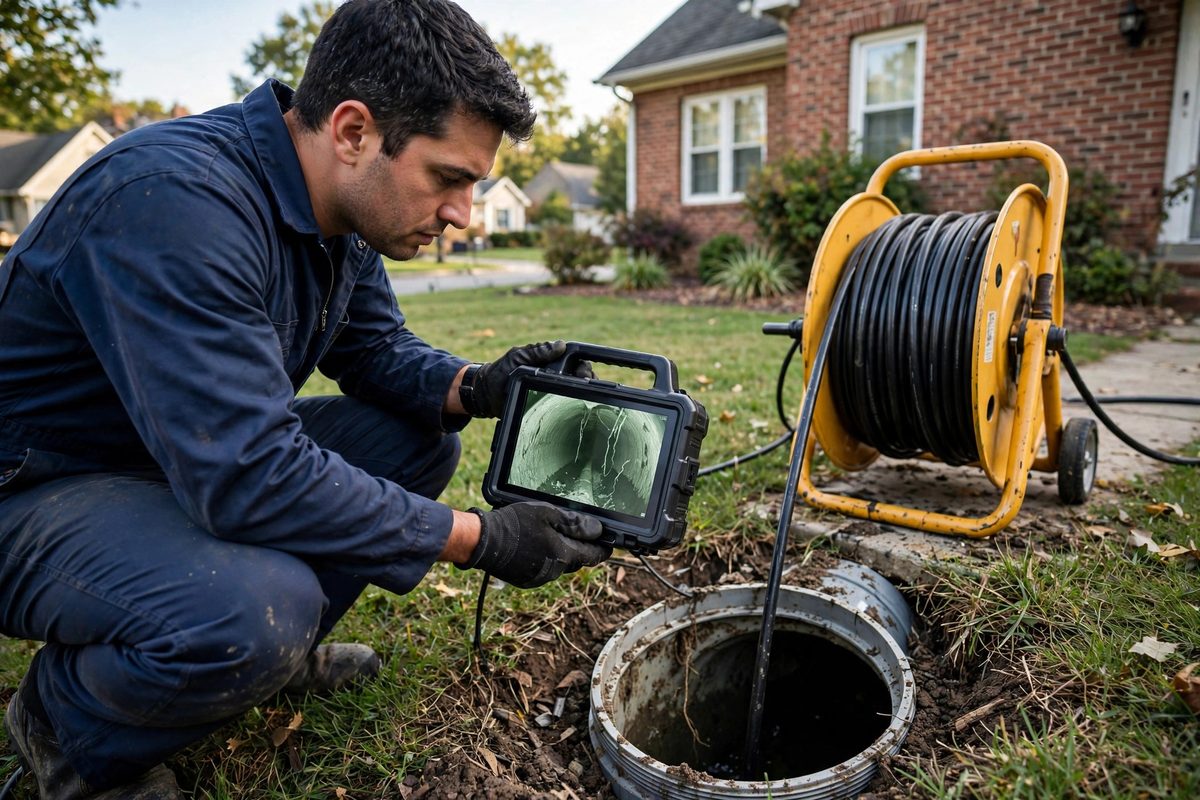
Camera inspection finds sewer line breaks and root intrusion.
Sewer Leak Detection in Keller →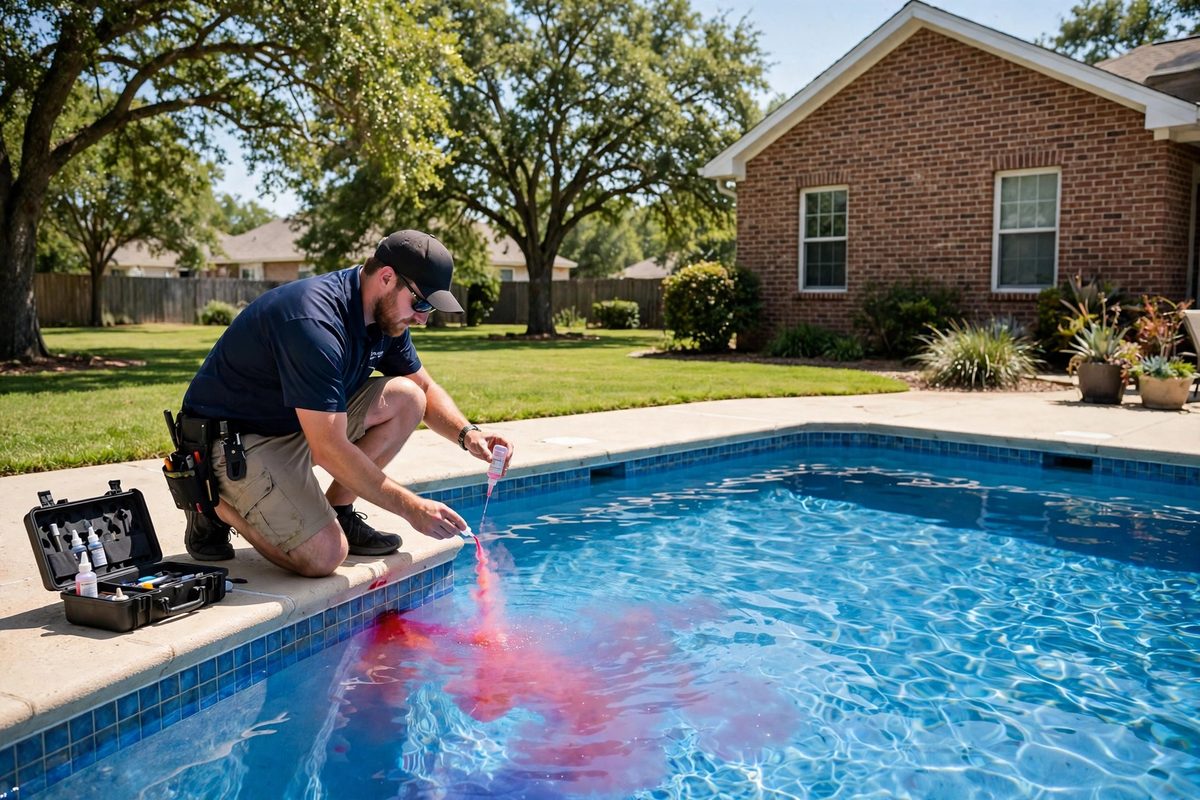
Losing pool water? We find leaks in shells, lines and equipment.
Pool Leak Detection in Keller →
Active leak flooding your home? Emergency response, day or night.
Emergency Leak Detection in Keller →Most leaks in Keller homes stay hidden for weeks or months. Call for a leak inspection if you notice any of the following:
The earlier a leak is located, the smaller the repair. A leak left running under a slab can erode the soil beneath your foundation and turn a plumbing problem into a structural one.
We find leaks the way guesswork never can: with our ears, our cameras and pressure gauges — not with a sledgehammer.
We start by learning what you have noticed — bill changes, sounds, damp spots — and inspect the visible evidence.
Acoustic sensors, infrared imaging, pressure tests and moisture readings narrow the leak down to an exact location.
You get a plain-language explanation of where the leak is, what caused it, and your repair options.
Because the location is precise, repairs stay focused — protecting your floors, walls and landscaping.
Acoustic sensors hear pressurized water escaping under concrete. Infrared cameras see the warm trail of a hot-water leak through tile and wood. Pressure tests prove which line is failing before anyone talks about repairs. That evidence-first approach is why most Keller inspections end with a marked spot on the floor — not a trench across it.
Keller sits on the expansive clay soil typical of North Texas. In the summer heat the clay dries and shrinks; when the rains return it swells again. That constant movement is hard on the plumbing beneath Keller's slab-on-grade homes — pipes shift, joints work loose, and sewer lines can belly or separate. Add the occasional hard freeze, which can burst poorly insulated lines, and leaks become a matter of when, not if.
That is why local experience matters. A leak detection specialist who works in Keller every day knows how these homes are built, where the lines typically run, and which symptoms point to a slab leak versus a fixture leak — so your diagnosis is faster and more accurate.
Keller is really two housing stocks sharing one name. In the 76244 ZIP code — Old Town Keller, the streets around Keller Town Center and the Highway 377 corridor, and the established subdivisions off Keller Hicks Road — many homes date from the 1980s and 1990s. Their cast-iron drain lines are reaching the age where corrosion and root intrusion show up on camera inspections, and their copper supply lines have endured four decades of soil movement. Slab leaks and sewer leaks are the calls we run most in this half of the city.
In 76248, the subdivisions are newer — some still being built out — and the plumbing is modern PEX and PVC. Leaks here look different: lines stressed as young slabs settle in their first years, irrigation lines cracked during landscaping work, and pool plumbing on the many backyard pools built since the 2010s. Different housing stock, different failure patterns — and a detection plan that starts from how your part of Keller was actually built.
Wherever you are in the city — near Bear Creek Park, along Rufe Snow Drive, or out toward the Roanoke and Watauga lines — the process is the same: confirm the leak, pinpoint it with equipment, and explain your options before anyone picks up a tool. See our full service area for the surrounding communities we also cover.
Not sure whether you even have a leak? Start with these field guides — the same checks we run on service calls, written down.
Warm spots on the floor, a meter that won't sit still, a bill that jumped for no reason — the seven clues a leak under your slab leaves behind, and what to do when you spot more than one.
Read the guide →The bill jumped but your habits didn't. Work through this checklist in order — boring causes first, then the meter test, then the usual suspects hiding in your bathrooms and yard.
Read the guide →The most common signs are a water bill that jumps without explanation, the sound of running water when everything is off, warm or damp spots on the floor, low water pressure, musty odors, or cracks appearing in walls and flooring. Any one of these is reason enough to schedule leak detection before the damage spreads.
We use non-invasive equipment — acoustic listening devices, infrared thermal cameras, pressure testing and moisture meters — to locate the exact source of a leak. In most cases we can pinpoint a leak without cutting into walls, tearing up floors or digging up your yard.
Most Keller homes are built on concrete slab foundations over North Texas expansive clay soil. The clay swells when wet and shrinks during hot, dry summers, and that movement stresses the water and sewer lines under the slab. Over time, joints separate and pipes crack — creating the slab leaks we detect every week in Keller neighborhoods.
Yes — we cover all of Keller, including both the 76244 and 76248 ZIP codes, and nearby parts of Northeast Tarrant County. Call and we will confirm the fastest available appointment for your address.
Fast response across Keller · Non-invasive equipment · Up-front explanation of your options
