Losing pool water faster than evaporation explains? We pressure-test lines and dye-test fittings to find exactly where your Keller pool is leaking.
In a Texas summer, a Keller pool can lose a quarter inch of water a day to evaporation — but a leak loses more, and it loses it constantly, day and night. Pool leak detection separates normal evaporation from a real leak, then finds exactly where the water is going.
Left alone, a pool leak wastes thousands of gallons, throws off your water chemistry, erodes soil beneath the deck and can damage pumps that draw air. Finding it early keeps a small repair small.
The bucket test: fill a bucket with pool water, set it on a step with the waterline matching the pool's, mark both levels, and compare after 24 hours with the pump off. If the pool dropped more than the bucket, you have a leak — and it's time for detection.
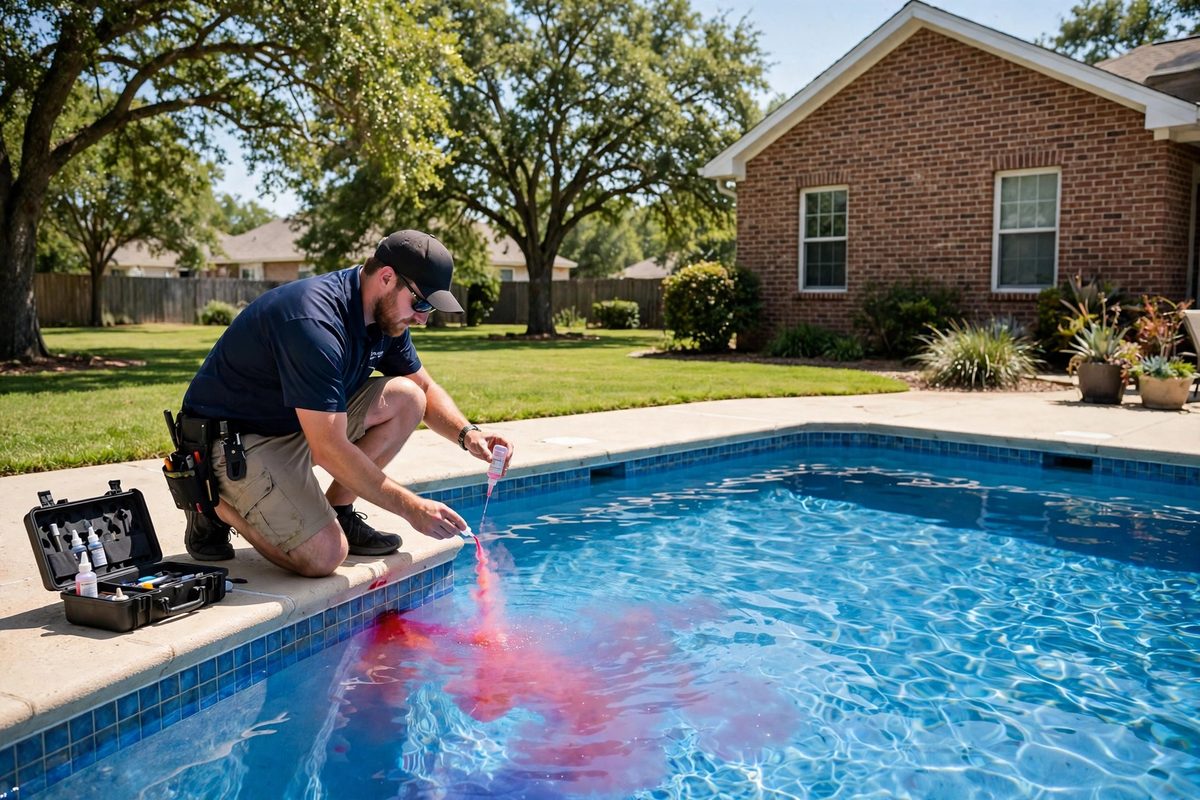
Detection begins by determining whether the leak is in the shell or the plumbing. Pressure testing each line — skimmer, returns, cleaner and main drain — isolates which circuit loses pressure. Dye testing around fittings, lights, skimmers and visible cracks shows water being drawn out in real time, and electronic listening equipment can hear leaks in buried lines.
You finish with a precise answer: which line or fitting leaks, where, and what the repair involves — instead of resurfacing a pool that only needed a skimmer repair.
Most Keller pool leaks we locate trace back to skimmer throats cracked by shifting soil, light niches and conduit, separated return or suction lines under the deck, worn equipment seals at the pad, and aging plaster or tile-line cracks. Because Keller yards sit on the same moving clay as the homes, pool plumbing deserves the same suspicion as house plumbing when water disappears.
North Texas summers are hard on pool levels even when nothing is wrong. Use this rough guide before you worry — then let the bucket test confirm it:
| Situation | Typical water loss | What it usually means |
|---|---|---|
| Hot, dry, windy week (typical July in Keller) | 1.5–2 inches per week | Normal evaporation. Heavy use and splash-out add a little more. |
| Same week, but the autofill runs daily | Hidden — level looks normal | Check your water bill. An autofill quietly masks leaks for months. |
| Losing 2.5+ inches per week, or level drops overnight | More than weather explains | Likely a leak — shell, skimmer or a buried line. Time for detection. |
| Loss speeds up when the pump runs | Varies | Pressure-side plumbing leak (return lines, equipment pad). |
| Loss continues with the pump off | Steady, day and night | Shell, skimmer throat, light niche or suction-side problem. |
If two rows describe your pool at once, don't keep topping it up and hoping — every week of delay is water in the ground around your deck footings. The same testing discipline we use on house water lines applies here: confirm, isolate, pinpoint, then decide.
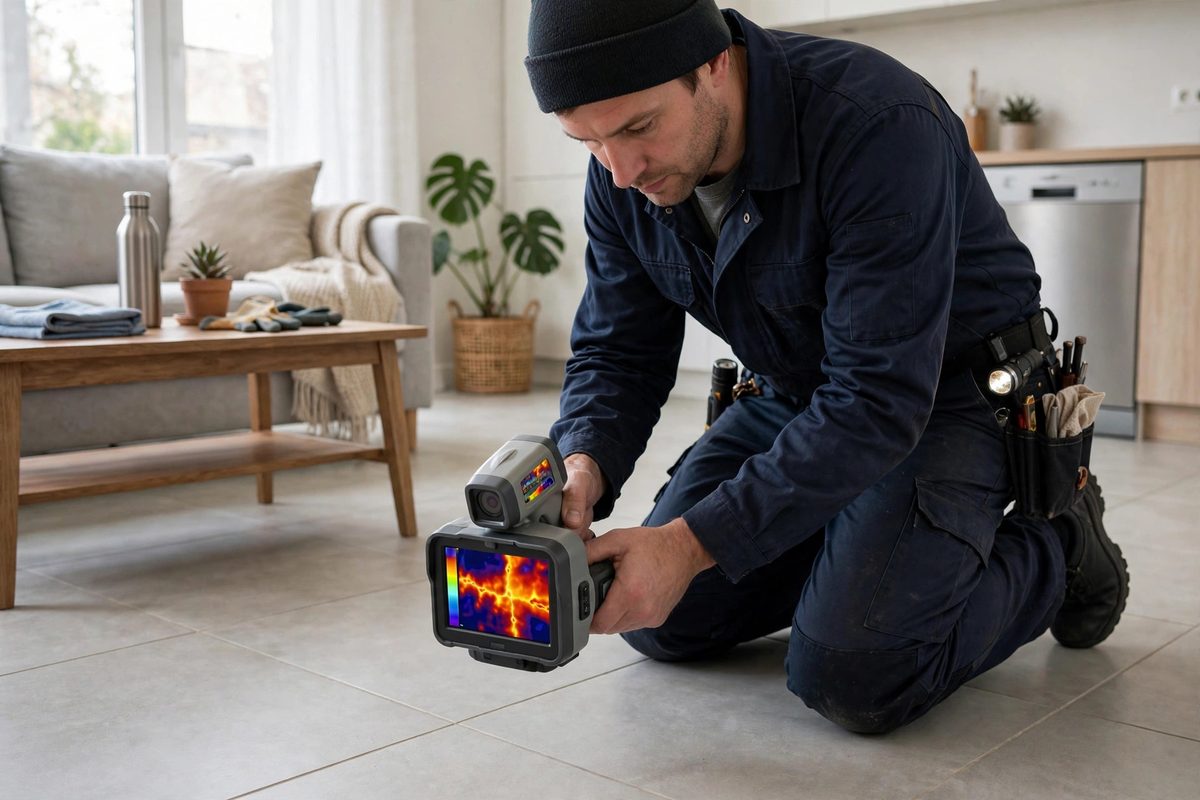
Leaks under your concrete foundation, pinpointed without tearing up floors.
Slab Leak Detection in Keller →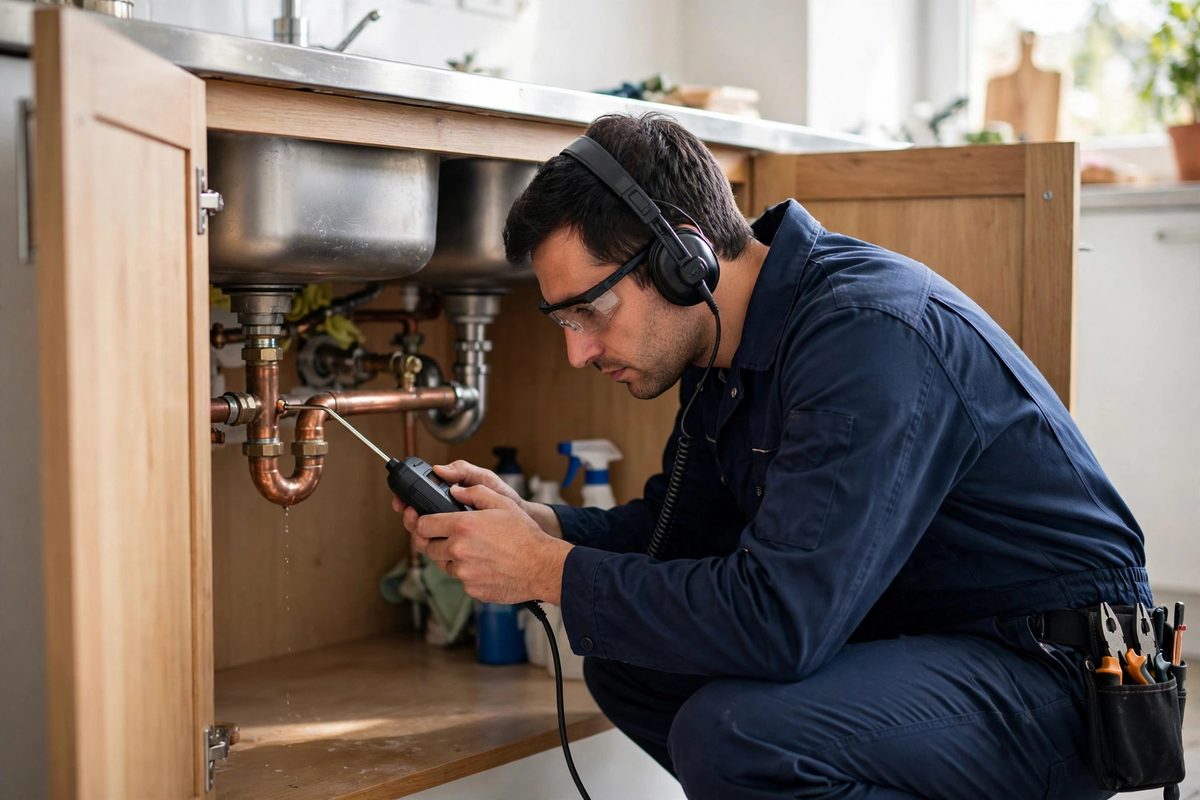
Hidden pipe leaks found with acoustic and infrared equipment.
Water Leak Detection in Keller →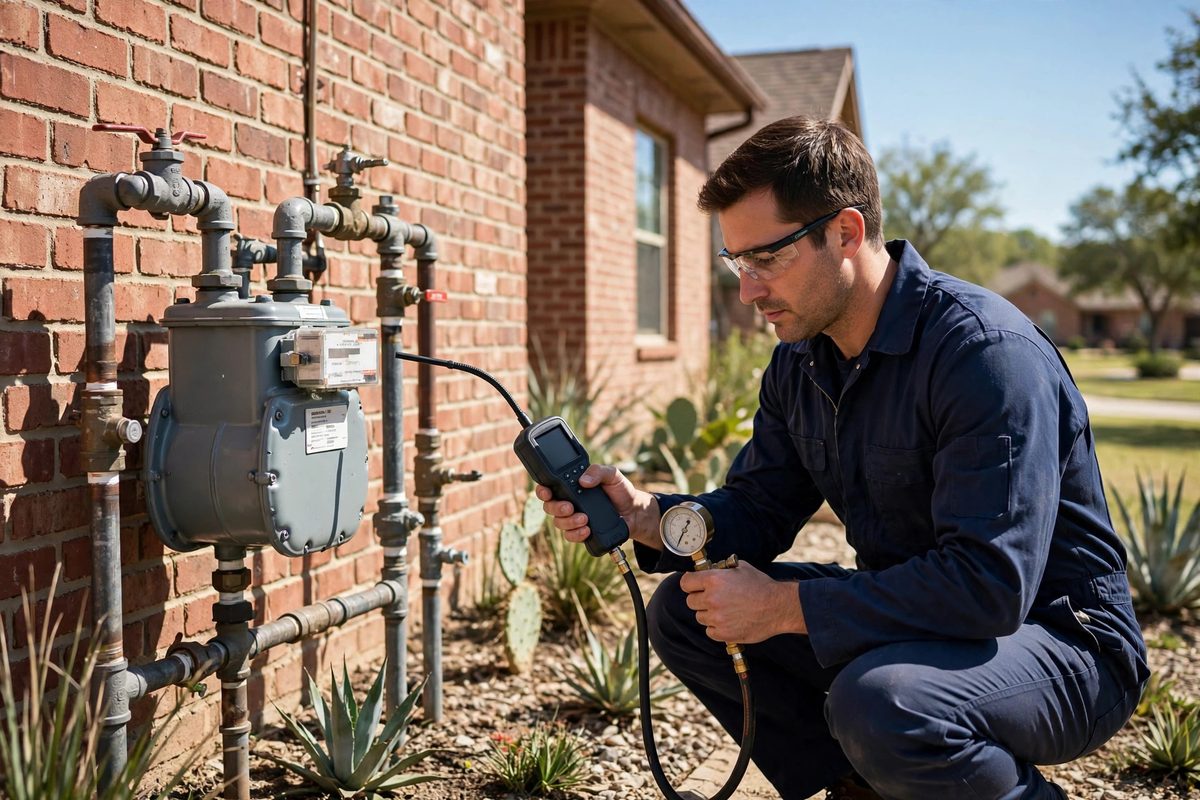
Suspect a gas leak? Fast, safe location and pressure testing.
Gas Leak Detection in Keller →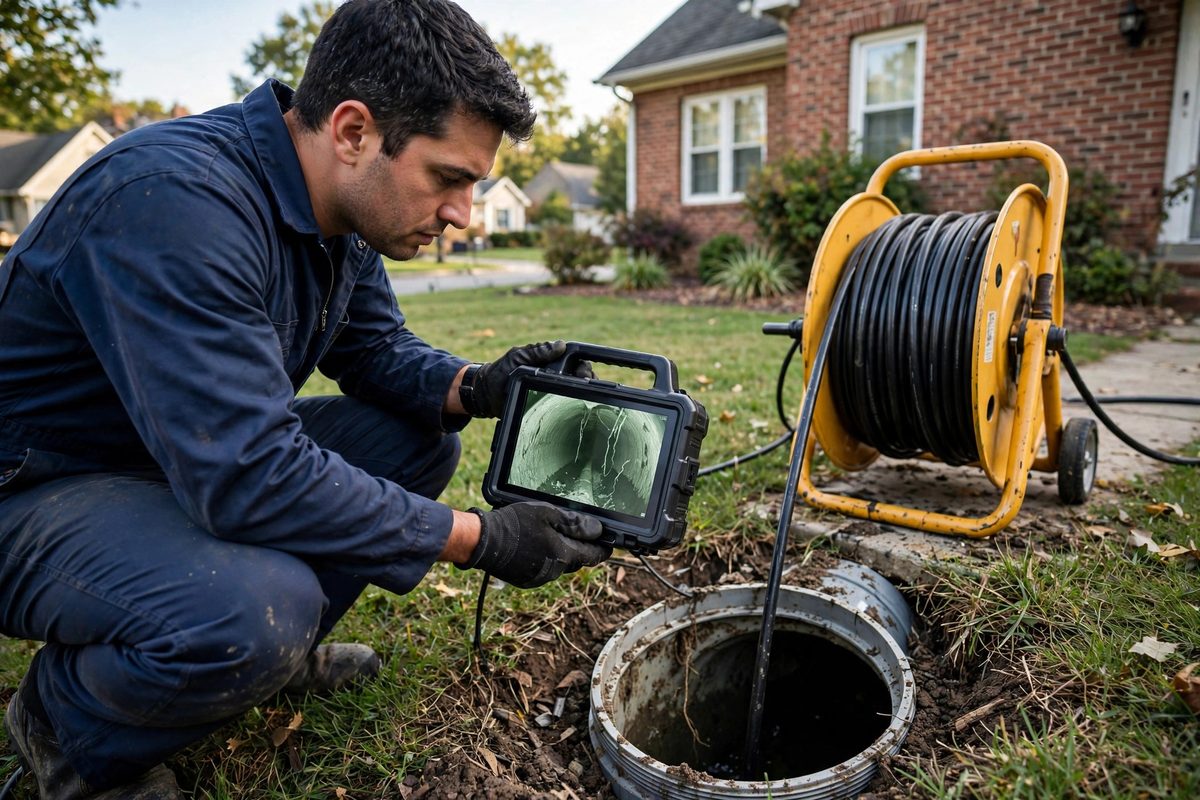
Camera inspection finds sewer line breaks and root intrusion.
Sewer Leak Detection in Keller →
Active leak flooding your home? Emergency response, day or night.
Emergency Leak Detection in Keller →Evaporation in North Texas typically runs about 1/4 inch per day in hot, windy weather — roughly 1.5 to 2 inches per week. Consistently losing more than that, or losing water overnight with the pump off, points to a leak rather than evaporation.
Yes — it's one of the best clues. A leak that speeds up with the pump running is usually on the pressure (return) side. One that continues with everything off is often in the shell, skimmer or suction side. Noting the pattern before your appointment speeds up detection.
In most cases, yes. Pressure testing, dye testing and listening equipment all work with the pool full. Draining is rarely needed for detection and is not recommended for Keller pools in shifting soil unless a repair specifically requires it.
Absolutely — an autofill hides the level drop while the leak continues, and the giveaway becomes your water bill. If your bill climbed while the pool 'never loses water,' a leak masked by the autofill is a prime suspect.
Fast response across Keller · Non-invasive equipment · Up-front explanation of your options
