Warm floor? Spiking water bill? We locate leaks beneath your Keller home's concrete slab precisely — without tearing up your floors to search.
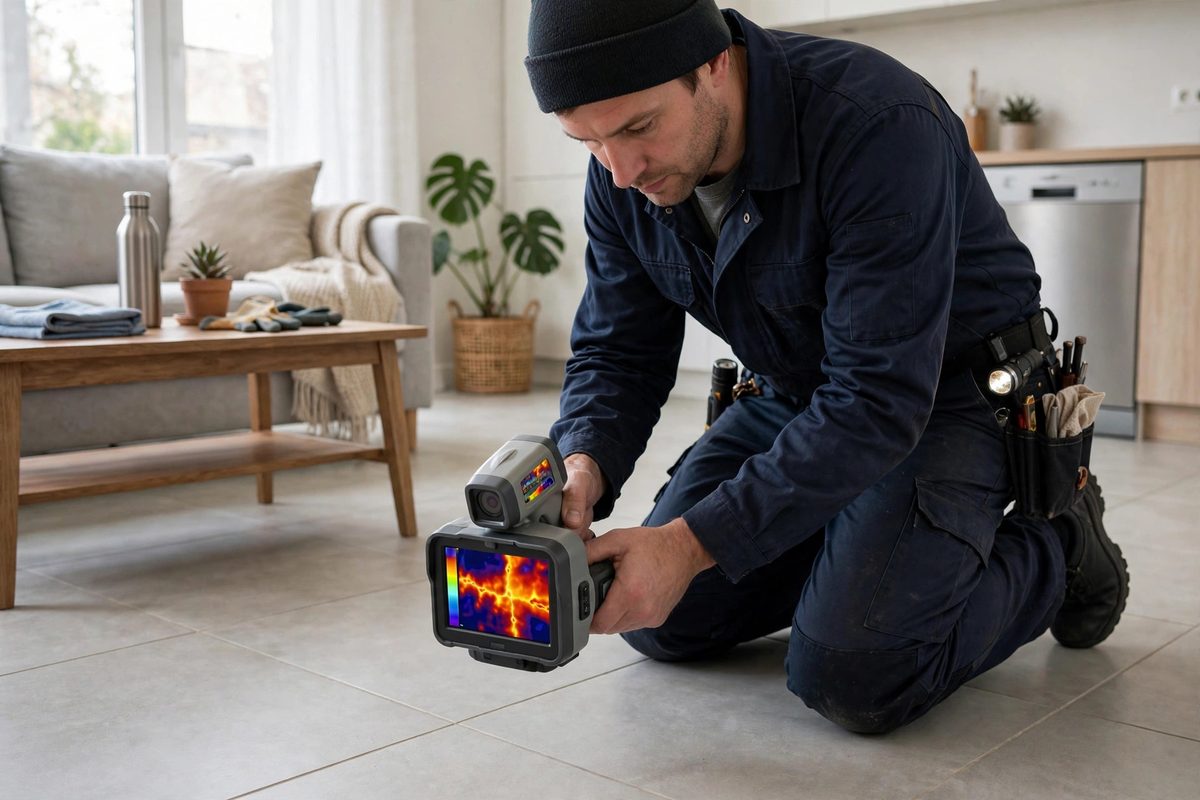
A slab leak is a leak in the water or sewer lines that run beneath your home's concrete slab foundation. Because the pipes are hidden under concrete, slab leaks rarely show themselves directly — instead, they announce themselves through rising water bills, warm floors and, if ignored, foundation damage.
Slab leaks are one of the most common plumbing problems in Keller. Most homes here are slab-on-grade, and the shifting North Texas clay soil beneath them flexes and stresses the buried lines year after year.
If two or more of these sound familiar, do not wait. Water running beneath a slab washes away supporting soil, and what starts as a pipe repair can become a foundation repair.
Pinpointing a slab leak used to mean breaking concrete in several places and hoping. Our approach is different. We combine electronic acoustic listening equipment, which hears pressurized water escaping a pipe through the slab, with infrared thermal imaging that reveals the warm plume of a hot-water leak, pressure testing that confirms which line is failing, and moisture mapping that traces how far the water has spread.
The result is a marked, precise location — usually within inches — so any repair opens the smallest possible area. Most slab leak detection appointments in Keller take between one and three hours, depending on the size of the home and the complexity of the leak.
Once the leak is located, we explain exactly where it is, what caused it, and the repair approaches available for your situation — for example accessing the line at the leak point, rerouting the line through the walls or ceiling, or tunneling beneath the slab from outside the home. Each approach has trade-offs in disruption and scope, and we walk through them in plain language so you can decide with full information before any work begins.
Homeowners facing a slab leak usually hear about three repair routes. None of them is 'the best' in the abstract — the right choice depends on where the leak sits, the condition of the rest of the line, and how much disruption your household can absorb:
| Approach | How it works | Usually best when |
|---|---|---|
| Spot repair | The floor and slab are opened at the pinpointed leak and the failed section of pipe is replaced. | The line is otherwise healthy and the leak is in an accessible spot — a garage, utility room or tiled area. |
| Reroute | The leaking under-slab line is abandoned and a new line is run through walls or the attic, bypassing the slab entirely. | The line has failed more than once, or several sections are deteriorated — fixing one spot would just move the problem. |
| Tunneling | Technicians tunnel under the home from outside and repair the line from beneath, leaving interior floors untouched. | The leak sits under expensive flooring — hardwood, custom tile — that you do not want opened. |
This is exactly why detection comes first. Knowing the leak's precise location and the line's overall condition is what turns this from a guessing game into a decision. And if water is actively surfacing through your floors right now, treat it as an emergency leak — shut off the main and call us first.
In Keller's established neighborhoods, slab leaks tend to involve aging materials: copper lines thinned by decades of water chemistry and soil contact, and cast-iron drains corroding from the inside. The leak is often the first visible symptom of a line that is tired along its whole run — which is why reroutes come up so often in these homes.
In newer Keller subdivisions, the materials are modern, but the slabs are young. Houses settle most in their first several years, and that settlement — on top of the usual clay-soil cycles — can stress joints and fittings early. When a nearly-new home shows a warm floor or a climbing bill, the cause is more often a single stressed joint than a worn-out line, and a spot repair usually settles it. Either way, the detection equipment reads the same evidence; it's the interpretation that local experience changes.
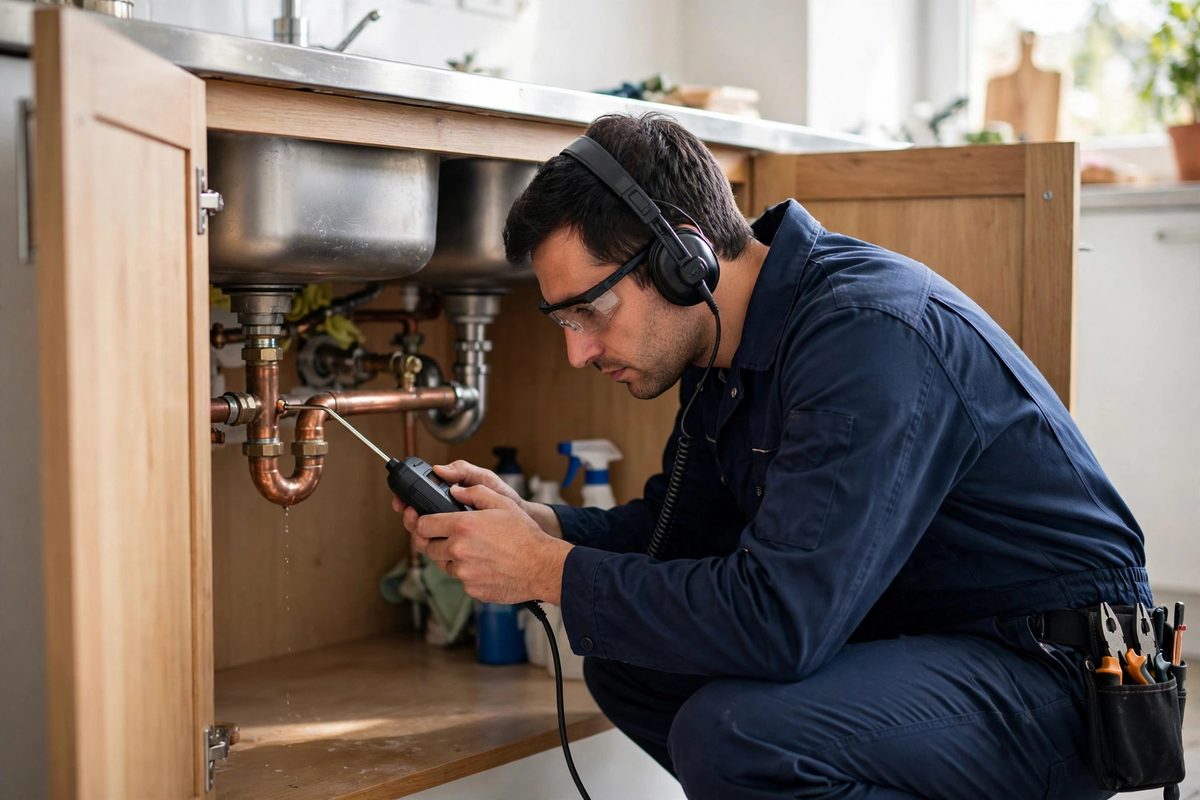
Hidden pipe leaks found with acoustic and infrared equipment.
Water Leak Detection in Keller →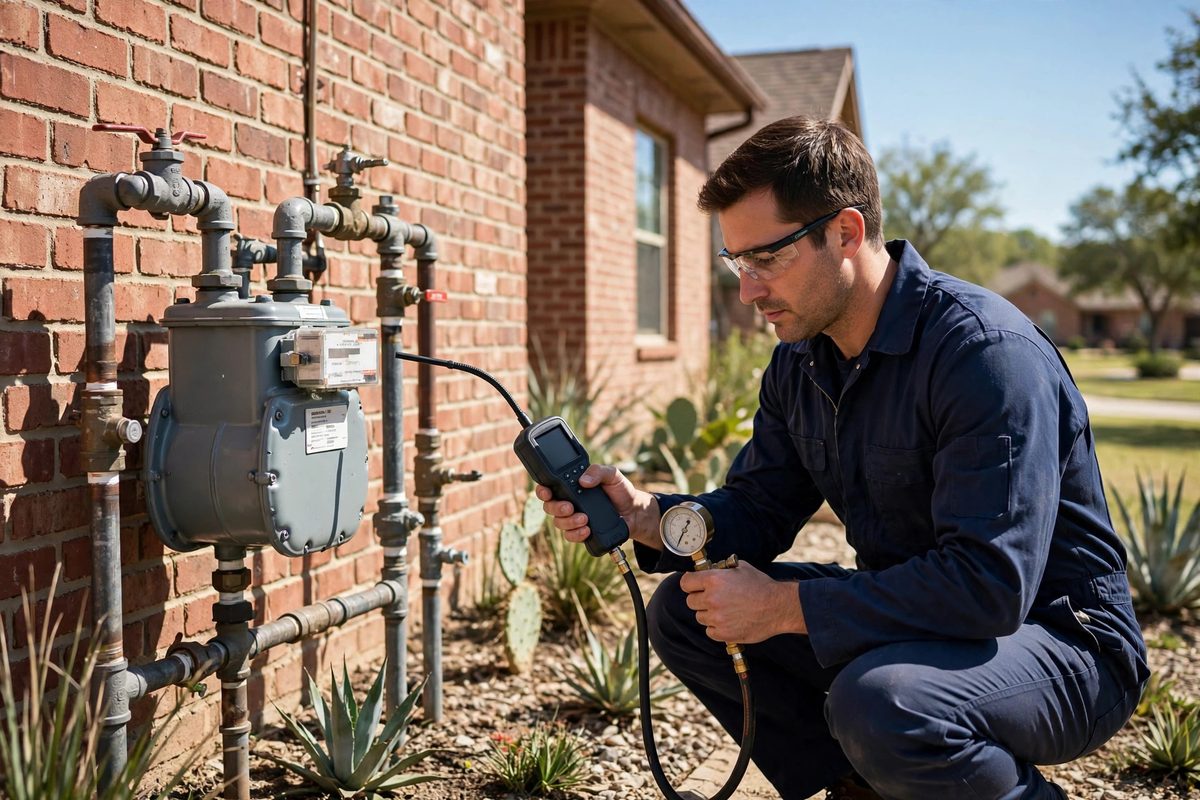
Suspect a gas leak? Fast, safe location and pressure testing.
Gas Leak Detection in Keller →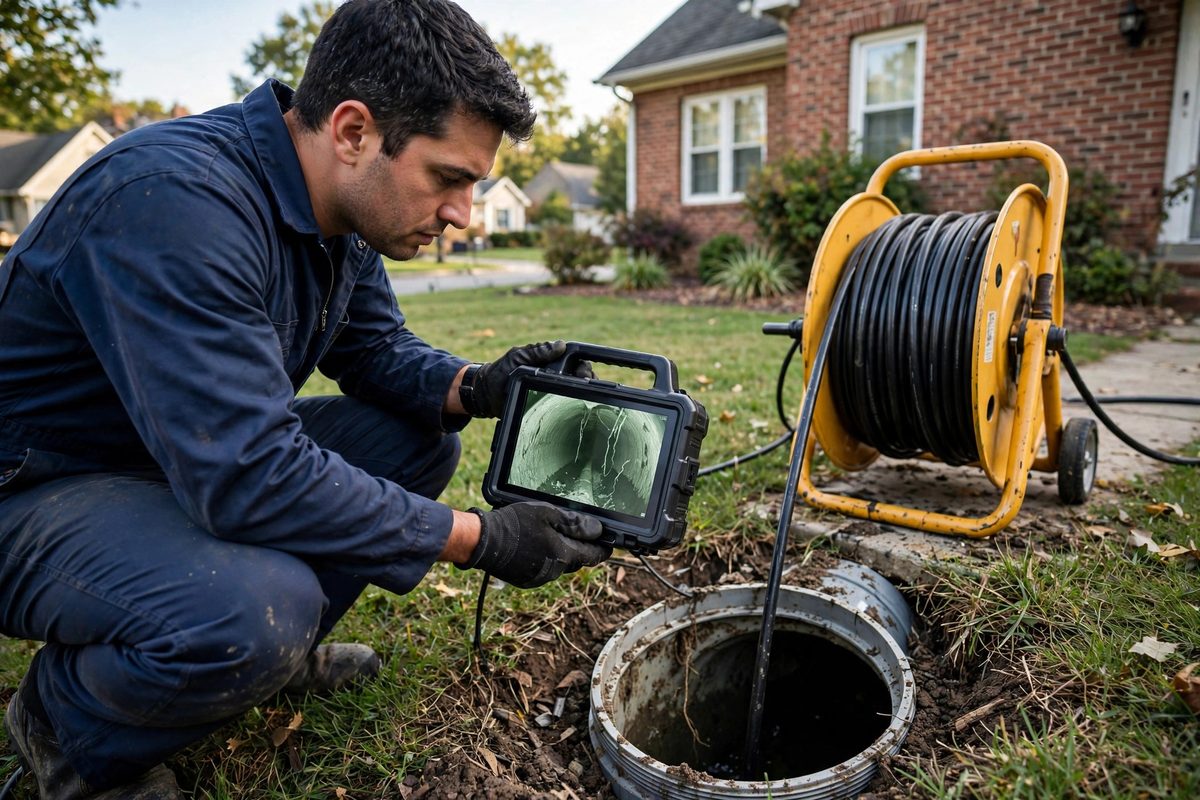
Camera inspection finds sewer line breaks and root intrusion.
Sewer Leak Detection in Keller →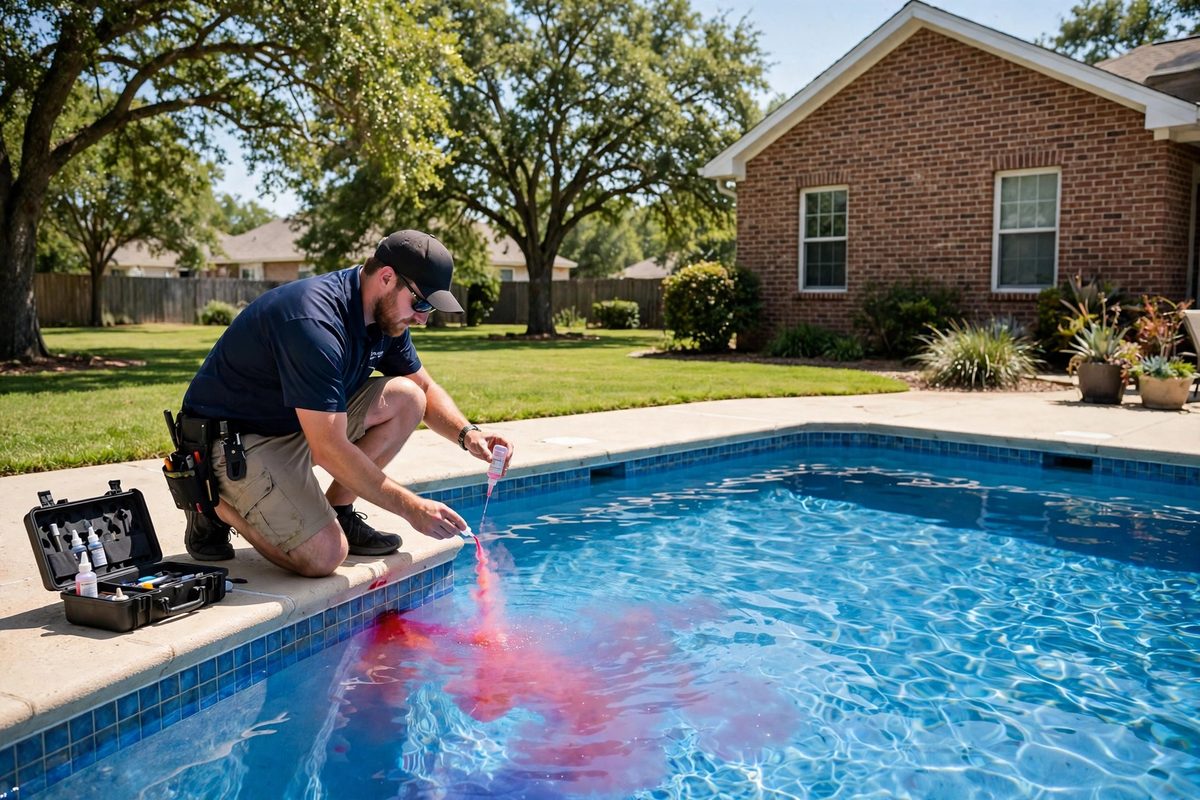
Losing pool water? We find leaks in shells, lines and equipment.
Pool Leak Detection in Keller →
Active leak flooding your home? Emergency response, day or night.
Emergency Leak Detection in Keller →Most Keller slab leak inspections take one to three hours. The size of the home, the number of bathrooms and whether the leak is on a water or sewer line all affect the time needed to isolate it precisely.
Our detection process is non-invasive — acoustic, thermal and pressure equipment works through the slab without breaking it. If a repair is needed afterward, knowing the exact location keeps any opening as small as possible.
Yes. Water escaping under a slab erodes the soil that supports it. Over time the slab can settle or crack, and in severe cases the void beneath can contribute to sinkhole-like settling. Early detection is what keeps a slab leak a plumbing repair instead of a structural one.
Policies vary. Many cover the resulting water damage and sometimes the cost of accessing the pipe, while the pipe repair itself is often excluded. We provide clear documentation of the leak location and cause that you can share with your insurer.
Fast response across Keller · Non-invasive equipment · Up-front explanation of your options
