That faint refill sound every few minutes is not just annoying — it is clean water going straight down the drain. Here's how to find the cause and stop it.
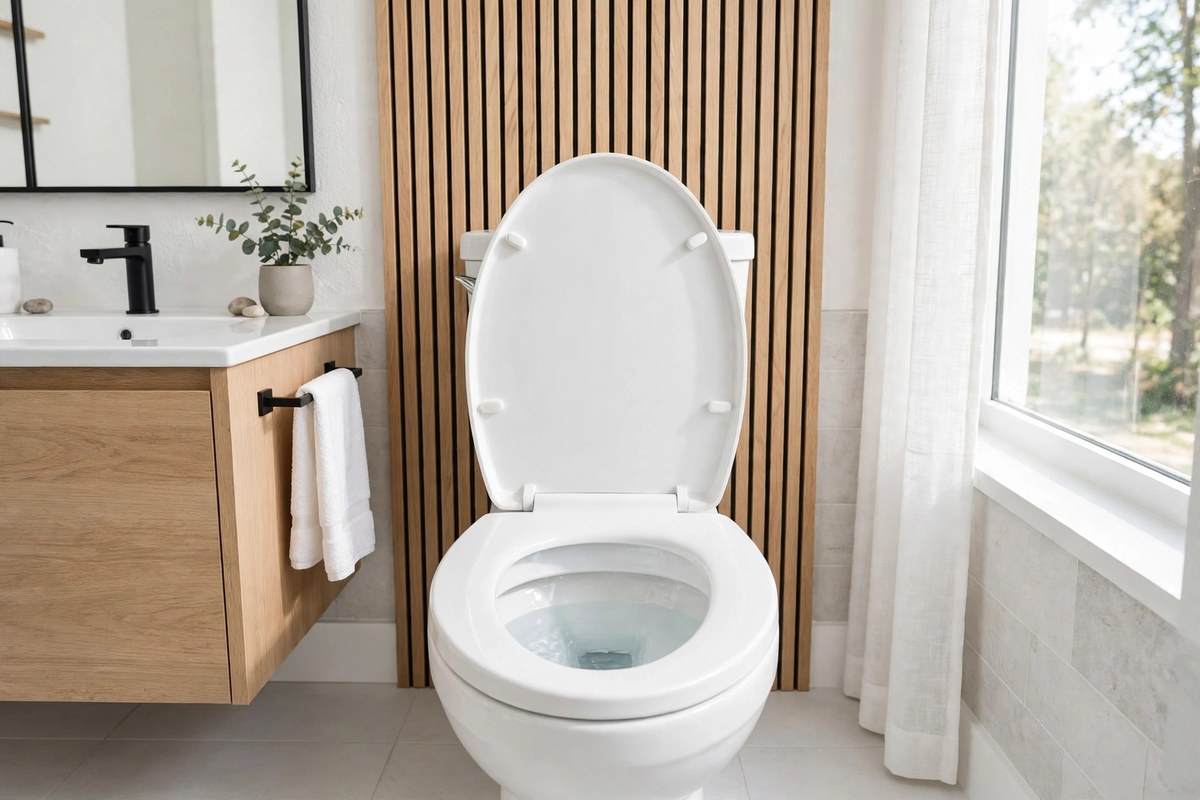
A running toilet wasting water rarely announces itself with a flood. More often it is a faint hiss from the bathroom down the hall, a refill that kicks in every few minutes for no reason, or a handle you have learned to jiggle without thinking. Because the water goes straight down the drain, there is no puddle, no stain, and nothing to mop up — which is precisely why it can go on for weeks before anyone treats it as a leak at all.
But it is a leak, and a persistent one. A toilet that never fully shuts off is sending a steady stream of clean, treated water from the tank into the bowl and away, around the clock. In a Keller home, where many bathrooms still run on original fixtures from the nineties and early two-thousands, worn tank parts are simply a matter of age. North Texas hard water does not help: mineral deposits build up on rubber and plastic inside the tank, flappers stiffen and warp, and seals that once sat flat start to let water past. The toilet still flushes fine, so nobody suspects it — until the bill arrives, or a quiet evening reveals the sound that has been there all along.
People tend to rank household leaks by how visible they are, and by that measure a running toilet looks harmless. A dripping tap is at least visible, and a puddle demands attention. A toilet leak hides inside porcelain, and that invisibility is what makes it expensive over time. A tap drips; a running toilet flows. The difference between a drip and a continuous trickle, multiplied by every hour of every day, is what turns a minor fault into a noticeably larger water bill.
It also muddies every other leak check you might run. If your meter is creeping with everything off, the first suspect should be the toilets, not the slab — a point our guide to a water meter spinning with no leak visible makes in detail. Ruling the toilets out first saves you from chasing a buried pipe that was never the problem. And there is a second, quieter cost: a fill valve cycling constantly wears itself out faster, and a tank that refills every few minutes can mask a genuine supply problem elsewhere, because the sound of running water in the house stops meaning anything.
Lift the lid off the tank — it just lifts straight up, no tools needed — and you are looking at a very simple machine with only a few parts that can fail. In Keller homes, almost every running toilet comes down to one of three:
A chain that is too short can also hold the flapper slightly open, and a chain that is too long can tangle and do the same. Before you buy anything, look at the chain: it should have just a little slack when the flapper is closed. That one glance rules out a surprisingly common cause, and it costs nothing.
You do not need special equipment to find out whether your toilet is the one wasting water. The dye test has been the standard check for decades because it is simple and it gives a clear yes-or-no answer. Remove the tank lid, add a few drops of food colouring — or a dark drink mix if that is what you have — to the tank water, and then do not flush for about twenty minutes. If colour shows up in the bowl without anyone flushing, water is leaking from the tank into the bowl, and you have found your leak.
Run the test on every toilet in the house, not just the noisy one. Keller homes around Keller Parkway, Rufe Snow Drive, and the older streets near Old Town Keller often have two or three bathrooms on the same original fixtures, and a silent toilet in a guest bathroom can be leaking just as steadily as the loud one in the main suite. While you wait, check the water level against the overflow tube and watch whether the fill valve shuts off cleanly after a flush. A valve that hisses, sputters, or takes its time closing is telling you it is on its way out, even if the dye test comes back clean.
If the dye test is positive, the fix is usually a new flapper matched to your toilet — take the old one to the store or note the brand and model stamped inside the tank, because flappers are not all the same size. If the water level is the problem, adjust the float down until the water sits below the overflow tube. If the fill valve is the problem, replacing it is a straightforward job, but turn the water off at the wall valve behind the toilet first, and keep a towel handy. None of this requires opening a wall or touching a buried pipe, which is why a running toilet is the best kind of leak to find: it is also the easiest to stop.
Sometimes you fix the flapper, adjust the float, and the toilet still runs — or the dye test comes back clean while the meter keeps moving. That is the point to widen the search rather than keep replacing tank parts. High water pressure can force water past seals that would otherwise hold, and a pressure problem will often show up in more than one fixture: a shower that sprays harder than it used to, a washing machine hose that weeps, a fill valve that chatters. A cracked overflow tube, a fill valve that has simply worn out, or a supply line connection behind the toilet that is weeping into the wall are all worth a look before you assume the worst.
And if the meter is still moving with the house quiet and the toilets ruled out, the water is going somewhere you cannot see. That is where the broader checks in our guide to checking for a water leak come in, and where professional water leak detection earns its keep — acoustic listening and thermal imaging can tell a supply-line leak from a slab leak without opening up floors on a guess. The distinction matters in Keller, where expansive clay soil already stresses buried lines: a leak under the slab tends to come with other signs, such as a warm patch on the floor, a baseboard that has swelled, or the faint sound of water when the house is silent, and those signs are covered in our guide to slab leak detection.
A running toilet is one of the few plumbing problems where waiting genuinely costs you every single day, because the waste does not pause while you decide. Start with the dye test, work through the three suspects in the tank, and fix what you find. Most Keller homeowners can sort a flapper or a float adjustment in a single afternoon, and the payoff shows up quickly: the phantom refills stop, the bathroom goes quiet, and the next meter reading stops climbing for no reason.
After the fix, keep an eye on things for a week. Flush each toilet and listen for a clean shut-off, not a lingering hiss. Glance at the meter once with everything off, the way the meter test describes, and confirm it sits still. If water ever appears where it should not — around the base of the toilet, on the floor, or in the wall behind it — stop and treat it as an emergency leak, because water escaping the fixture is a different problem from water wasting inside it. And if the toilet keeps running after new parts, or the meter keeps moving with the toilets ruled out, get the system checked properly rather than living with the sound. A toilet that runs is a small problem with a small fix — the only way it becomes a big one is by being ignored. For a solid reference on household leak checks, the EPA's WaterSense leak guidance covers the same dye test and fixture checks in one place.
That on-and-off refill is usually called phantom flushing, and it almost always starts in the tank. The flapper — the rubber disc that seals the tank to the bowl — has warped, hardened, or picked up mineral buildup, so water seeps slowly from the tank into the bowl. The tank level drops, the fill valve tops it back up, and the cycle repeats all day. A flapper that no longer sits flat is the first thing to check, and it is also the cheapest fix in the whole chain.
Yes, and more than most people expect, because the waste never stops. A dripping tap announces itself; a running toilet just hums in the background, hour after hour, while the meter keeps turning. Homeowners often only connect the two when the bill jumps for no obvious reason, or when the meter test in our guide to a spinning meter shows movement with everything supposedly off. Fix the toilet first, then watch the next meter reading — the difference is usually obvious within days.
Start with the dye test described in this guide: food colouring in the tank, no flushing, and colour in the bowl within twenty minutes means the toilet is the culprit. If the dye test is clean but the meter still moves with everything off, the water is going somewhere else — a supply line, an irrigation main, or a leak under the slab. That split is exactly what professional water leak detection is for: it narrows the search to the right part of the house instead of guessing.
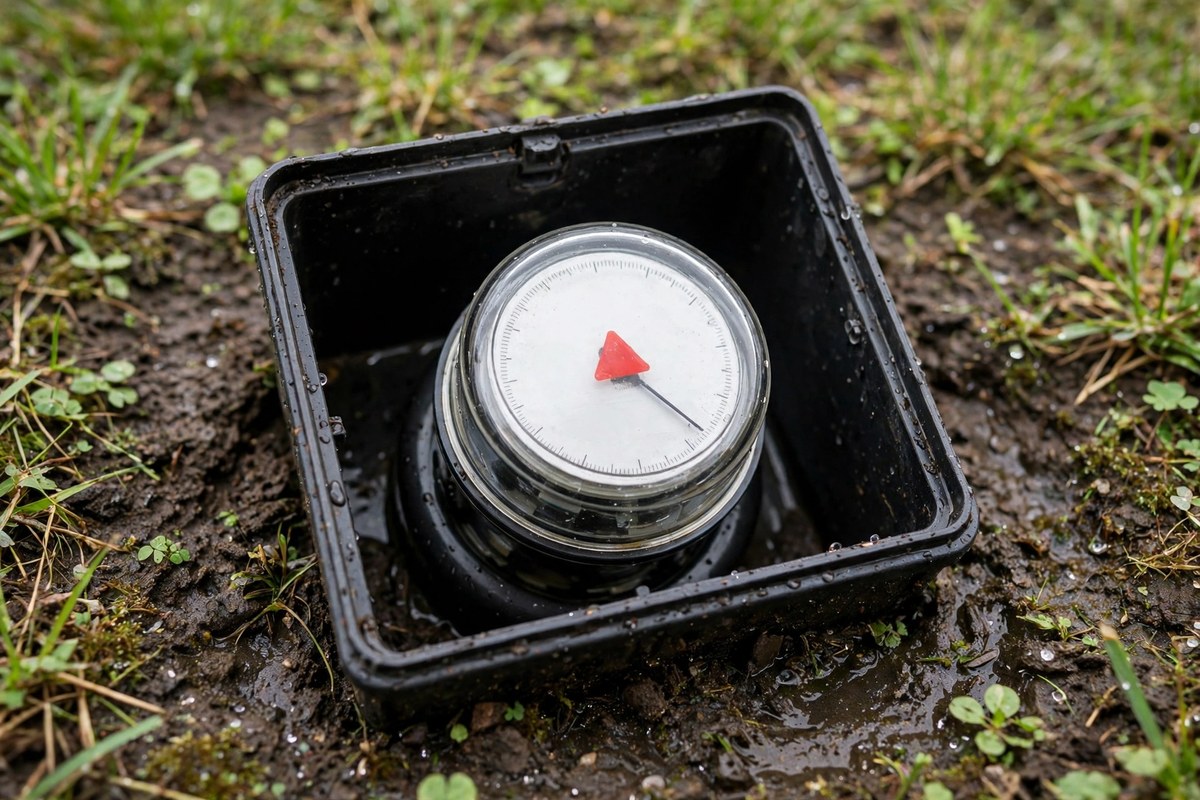
Everything is off, nothing is dripping, yet the meter keeps moving. In Keller that almost always means water is going somewhere you can't see — here's how to find where.
Read the guide →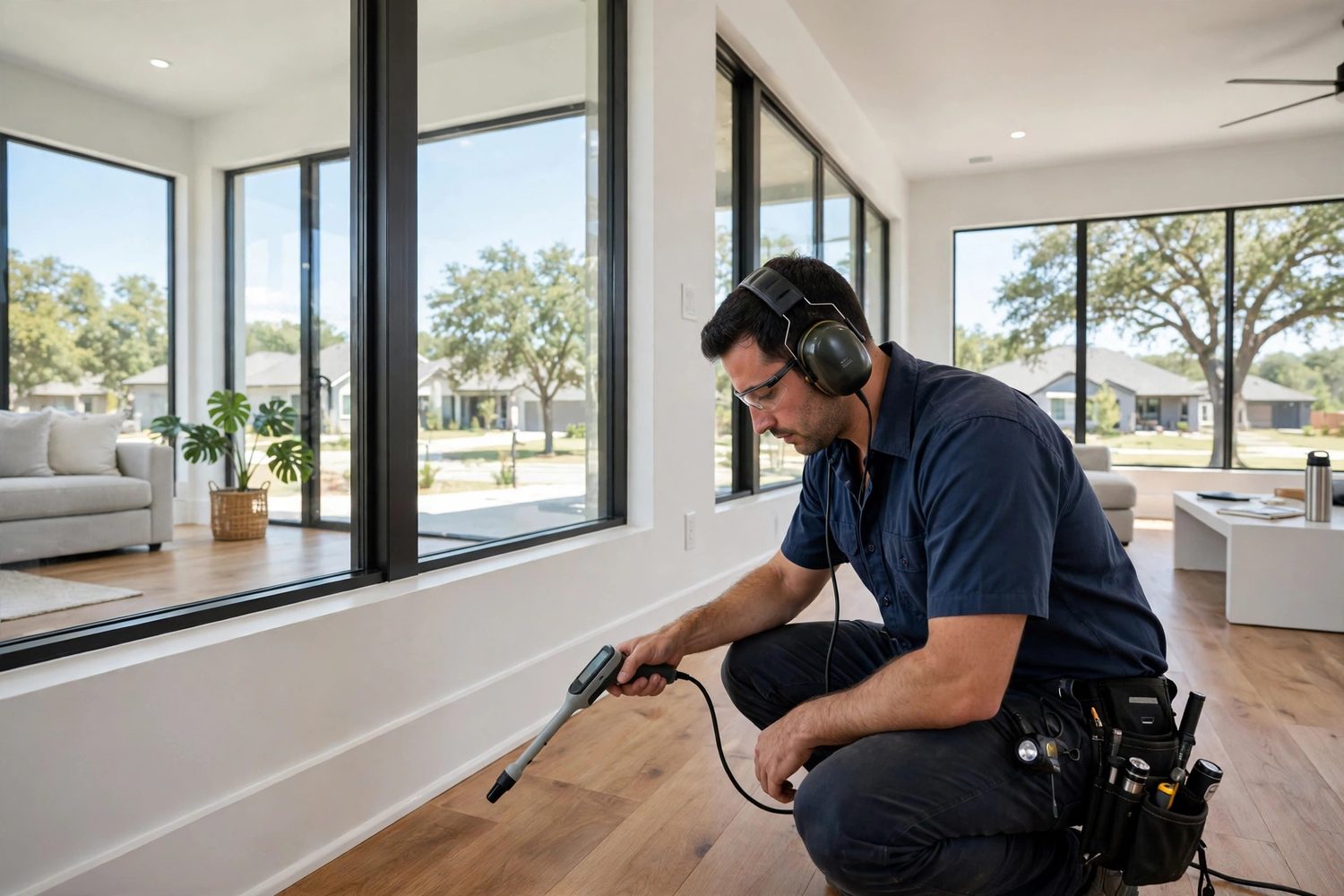
Two checks, under an hour: the water meter test plus a room-by-room walk that catches most hidden leaks in Keller homes before they turn expensive.
Read the guide →Fast response across Keller · Non-invasive equipment · Up-front explanation of your options
