Everything is off, nothing is dripping, yet the dial keeps moving. Here's how Keller homeowners read the meter, rule out the innocent causes, and find the hidden leak.
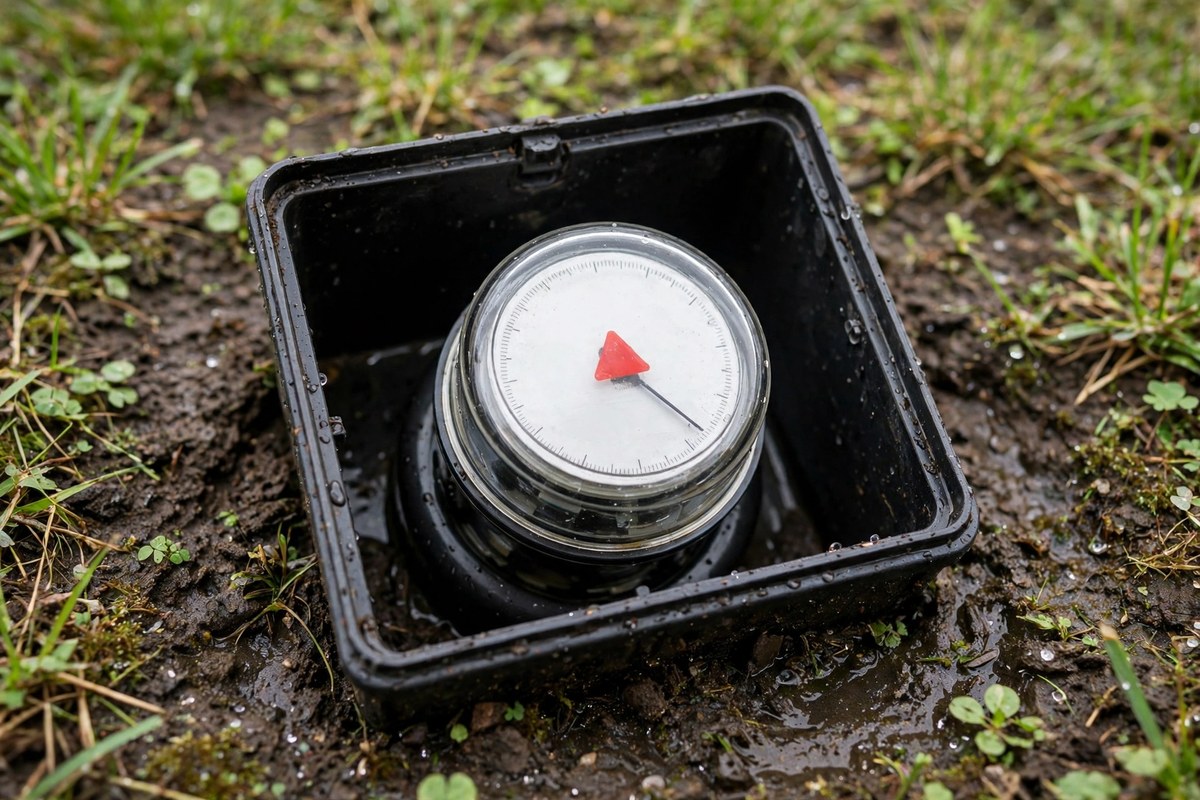
It is one of the more unsettling things a homeowner can find: you walk out to the meter box at the curb, lift the lid, and watch the dial creep — or spin — while every tap in the house is off, no toilet is running, and the yard looks dry. A water meter spinning but no leak visible does not mean the meter is lying. It means water is moving through it, and going somewhere you have not looked yet.
Most Keller meters have a small leak indicator — a red triangle or star-shaped dial — that turns with even a tiny flow. That little indicator is more useful than the big numbers: the numbers tell you how much water has passed, the indicator tells you whether any water is passing right now. If it moves while the house is quiet, something in your system is using water, and the most likely explanations are all worth working through in order, cheapest first. Our guide to water leak detection in Keller covers the same logic in full, but the meter test below is the fastest place to start.
Before you assume a pipe has failed, check the appliances and systems that legitimately draw water without anyone touching a tap. In Keller homes, the usual suspects are an irrigation controller mid-cycle, a water softener in regeneration, a pool autofill valve topping up after a hot afternoon, a refrigerator ice maker, or a reverse-osmosis filter refilling its tank. A toilet with a worn flapper is a special case: it leaks silently from tank to bowl, never puddles anywhere, and can waste a surprising amount of water while looking perfectly normal.
The giveaway for these is that they stop. An irrigation zone finishes its cycle, a softener finishes regenerating, a toilet eventually refills and goes quiet. A real leak does not take breaks. So note the time, check each of these, and then run the meter test with the house genuinely quiet. If the indicator is still moving after that, you have narrowed it down to a leak, a faulty fixture, or a meter fault — and a meter fault is by far the rarest of the three.
Keller's meters sit in a box near the street, usually in the grass by the curb, and the lid lifts with a screwdriver or a firm pull. Work through this test in order, and write down what you see at each step:
That last split — inside versus outside — is the most valuable thing the test gives you, because it decides what happens next. An inside leak sends you looking at fixtures, the water heater, and the slab. An outside leak sends you looking at the yard line, the irrigation main, and the hose bibs. Either way, you have turned a mystery into a location, which is exactly what the longer checklist in our guide to checking for a water leak builds on.
Keller's ground works against buried plumbing in a specific way. The expansive clay soil here swells when wet and shrinks when dry, and that seasonal movement stresses joints and fittings, especially on older copper and galvanized lines running under slabs and through yards. Homes around Keller Parkway, Rufe Snow Drive, and the older streets near Old Town Keller often have original supply lines that have lived through decades of that cycle, and the failure rarely announces itself with a puddle.
The hiding places, in rough order of frequency, are toilet flappers and fill valves, irrigation main lines and valve boxes, the buried supply line between meter and house, hose bibs whose vacuum breakers weep into the wall, water heater temperature-and-pressure relief valves draining quietly to a floor drain, and finally leaks under the slab itself. A yard leak in clay soil often shows as one patch of grass that stays greener than the rest, a soft or sunken spot, or a driveway or sidewalk section that stays damp long after watering. A slab leak, by contrast, often shows as a warm patch on the floor, a baseboard that has swelled, or the faint sound of running water when the house is silent — the same signs covered in our guide to slab leak detection.
One more Keller-specific hiding place: the irrigation backflow preventer and the main line feeding it. A cracked fitting there can leak underground for weeks, and because the water drains into the soil rather than pooling, the only evidence is the meter and, eventually, the bill. If your meter keeps moving with the house shut-off open but stops when the irrigation supply valve is closed, you have found your zone.
How fast the meter moves is genuinely useful information, so pay attention to it rather than just noting that it moved. A slow, occasional creep of the leak indicator — a nudge every few seconds — usually points to a toilet flapper, a dripping fill valve, or a very small joint leak. These are the leaks that run for months, add up quietly on the bill, and rarely damage anything in a hurry. They still deserve fixing, because they do not fix themselves, but they are not emergencies.
A steady, continuous spin is a different story. That means a meaningful flow: a broken irrigation main, a split supply line, a water heater relief valve stuck open, or a slab leak with real volume behind it. If the meter is spinning fast and you cannot find the source, close the main shut-off until the source is located — a fast leak can do in hours what a slow one takes months to do, particularly under a slab or inside a wall. And if water is appearing anywhere — a ceiling stain, a buckling floor, a yard that has turned to mud — treat it as an emergency leak and get the water stopped first, questions second.
Call when the meter test points to a leak you cannot locate, when the meter keeps moving with the house shut-off closed, or when the movement comes with any sign of water damage — a warm floor, a damp wall, a musty smell that was not there last month. Professional detection is not guesswork with a shovel: acoustic listening equipment hears water moving through pipes under concrete and soil, and thermal imaging spots the temperature difference a hot-water leak leaves in a floor. The point is to open up one small, correct spot rather than several hopeful ones.
Before the visit, keep your meter photos and your test notes — which valves you closed, when the meter stopped or did not, what the toilets showed. That record shortens the search considerably, because it already rules out half the house. And while you wait, the EPA's WaterSense leak guidance is a solid reference for the household checks worth repeating, from toilet dye tests to fixture inspections. A spinning meter is not a verdict on your house; it is an early warning, and in Keller's clay-soil homes, catching it at the meter stage is exactly how a small repair stays small.
Yes, occasionally. An irrigation controller running a cycle, a water softener regenerating, a pool autofill topping up, or a refrigerator ice maker filling can all move the meter briefly. The difference is that those stop. A genuine leak does not: if the meter is still creeping after everything in the house has been off for 30 minutes, water is leaving the system somewhere, even if you cannot see it.
Thirty minutes with everything off is a solid test for most homes, and an hour is better if the movement is very slow. Note the reading, or photograph the dial, at the start and the end. Any movement at all with no water in use points to a leak or a faulty fixture. A two-hour window with the house shut-off valve closed, as described in this guide, then tells you whether the leak is inside the house or in the line between the meter and the house.
No — and in Keller it often does not. Toilet flappers, irrigation lines, the supply line from the meter to the house, and a water heater relief valve are all more common culprits than a slab leak, and each is worth ruling out first. A slab leak becomes the prime suspect when the meter moves with the house shut-off closed, or when the movement comes with a warm spot on the floor, a damp baseboard, or the sound of water under the slab.
Two checks, under an hour: the water meter test plus a room-by-room walk that catches most hidden leaks in Keller homes before they turn expensive.
Read the guide →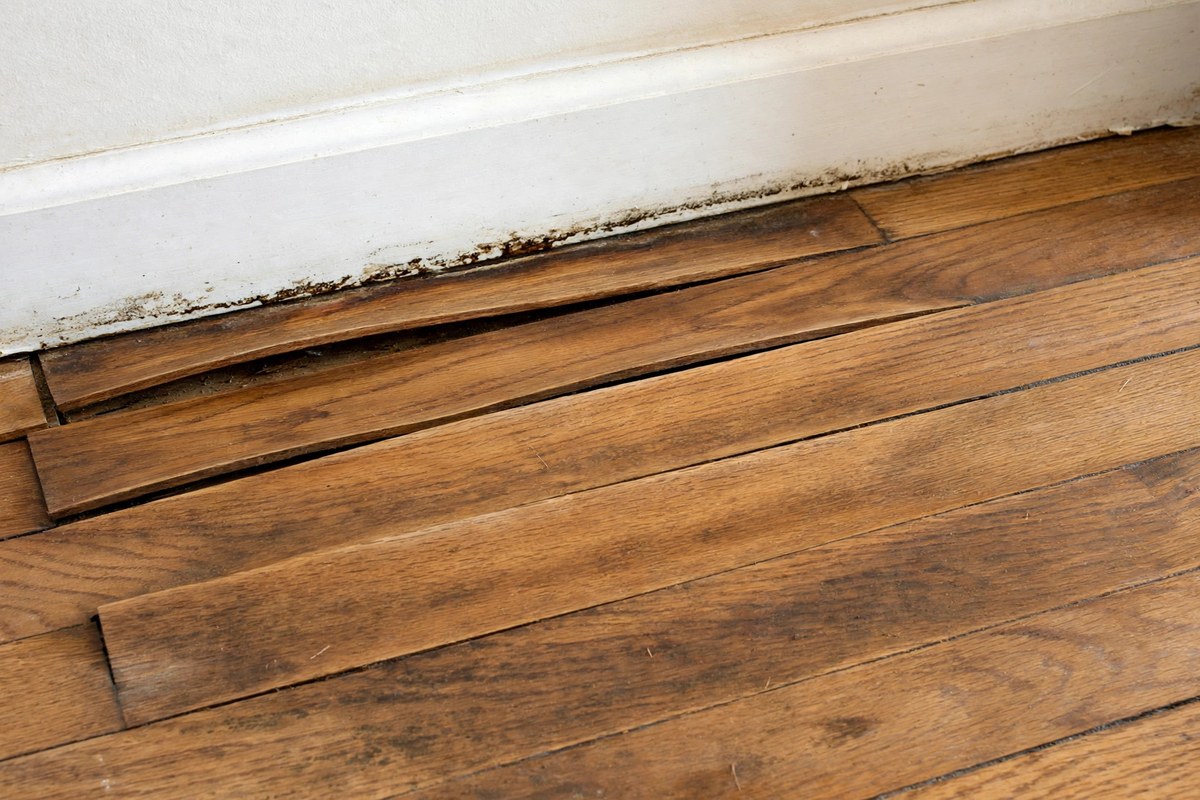
The answer splits in two: the damage your slab leak causes is usually covered, the pipe repair usually isn't. Here's how Keller homeowners navigate the claim.
Read the guide →Fast response across Keller · Non-invasive equipment · Up-front explanation of your options
