North Texas doesn't freeze often — which is exactly why it causes so much damage when it does. One evening of preparation beats a flooded house.
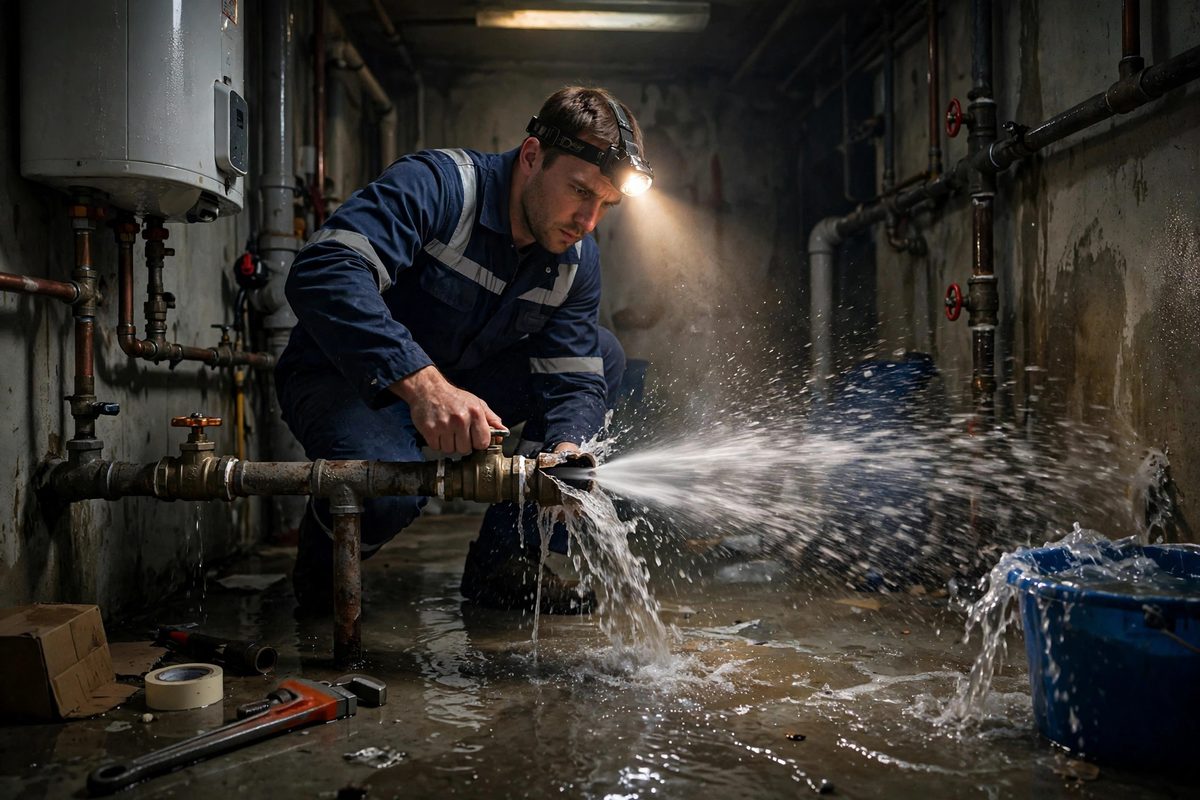
Here's the uncomfortable truth about plumbing in Keller: our homes were designed to survive August, not February. Water lines run through attics that bake at 130 degrees in summer, along exterior walls with modest insulation, and under slabs with no basement anywhere in the design. Buried lines sit shallower than they would in Minnesota, because the ground here historically didn't freeze deep enough to matter.
That design works beautifully for about 355 days a year. Then a hard Arctic front parks over North Texas — the way it did in February 2021, when burst pipes flooded homes across Tarrant County — and every one of those compromises is exposed at once. The pipes most likely to freeze in a Keller home are the ones in the attic, the garage, north-facing exterior walls, and the outdoor faucets nobody thought about since summer. The good news is that nearly all freeze damage is preventable, and the prevention is neither expensive nor complicated. It just has to happen before the cold arrives, not during it.
Water freezes at 32°F, but pipes don't burst the moment the thermometer touches it. What matters is sustained cold: most plumbers in North Texas start worrying when temperatures fall below about 28°F and stay there for several hours, and the risk climbs sharply below 25°F — especially with wind, which strips heat from exposed and attic lines far faster than still air. The dangerous hours are usually between midnight and sunrise, which is why a forecast that looks harmless at dinnertime can still break pipes by morning.
Pay attention to the forecast low AND how long it stays there. A quick dip to 30°F for an hour rarely hurts anything. A night that drops to 22°F and doesn't climb back above freezing until noon is a genuine emergency for your plumbing. The federal preparedness guidance at Ready.gov's winter weather page makes the same point nationally: pipes in unheated and exterior spaces are the first casualties of a hard freeze, and preparation is a day-before job, not a day-of scramble.
When a hard freeze is forecast for Keller, work through this list in the late afternoon while it's still light and above freezing. Twenty minutes is usually enough:
That's the whole ritual. Keller homeowners who lived through February 2021 will recognize it — it's exactly the list that separated the houses that flooded from the ones that didn't.
Two Keller fixtures deserve their own mention. The first is your irrigation system's backflow preventer — the exposed assembly of pipes and valves, usually near the meter or the side of the house. Above ground and full of water, it's the most freeze-fragile plumbing in your yard. Before a hard freeze, shut off the irrigation supply valve (usually in its own box near the meter), open the test cocks to drain the assembly, and wrap what remains with insulation or a heavy towel inside a plastic bag. A cracked backflow preventer is a spring surprise that announces itself as a geyser and a water bill.
The second is the water heater. In most Keller homes it lives in the garage or an attic — both cold zones. The tank itself holds heat well; the pipes entering and leaving it don't. Insulate those, and if you have a tankless unit mounted on an exterior wall or in the attic, know that its built-in freeze protection only works while it has power. In a freeze-plus-blackout, tankless units are vulnerable — one more reason the main shut-off location matters.
Sometimes, despite everything, a faucet delivers nothing on a freezing morning. That usually means a section of pipe is frozen solid. Act promptly but gently: open the affected faucet (it relieves pressure as ice melts and tells you when you're winning), then warm the pipe gradually with a hair dryer, a space heater kept a safe distance away, or towels soaked in warm water. Never use a torch or any open flame — house fires started this way are a grim winter tradition.
If a pipe has already burst, skip the thawing entirely: shut off the main water supply, open faucets to drain the lines, and treat it as what it is — an emergency leak. Freeze breaks also love company: the same cold snap often cracks more than one section, and some breaks only reveal themselves at thaw. Once things warm up, check your meter and your bill over the following weeks — our guide to why your water bill is so high explains how freeze damage quietly surfaces in spring, and the EPA's WaterSense leak resources are a solid reference for what to check next.
One last local lesson: in North Texas, freeze damage is usually discovered when the ice melts, not when it forms. Pipes crack under ice pressure, then sit silent until water flows again — into walls, attics and ceilings. After any hard freeze, walk your home slowly: ceilings and walls for stains or bubbling paint, floors for new damp spots, the yard for soggy patches near the foundation. Then run the simple meter test from our water leak detection page. Twenty quiet minutes with everything off will tell you whether your plumbing came through the freeze intact — or whether something is leaking where you can't see it.
The risk becomes real when temperatures stay below roughly 28°F for several hours, and climbs sharply below 25°F — particularly for pipes in attics, garages and exterior walls, and anywhere wind can reach them. A brief dip to 30°F is rarely a problem; a long night in the low 20s is. When Keller's forecast shows those numbers, run the night-before checklist.
Yes — for two reasons. Moving water is harder to freeze than still water, and an open faucet relieves the pressure that builds between an ice blockage and a closed tap, which is the pressure that actually bursts the pipe. You don't need much: a slow, steady drip or a pencil-thin stream from the faucet farthest from your main line does the job.
Typically, yes for the resulting water damage — sudden, accidental discharge is a standard covered event — provided you maintained reasonable heat in the home. Damage from a leak that ran for weeks unnoticed is treated differently, which is one more reason to check for hidden leaks right after a freeze. Keep any documentation of the damage and repairs; a written leak detection report helps the claim.
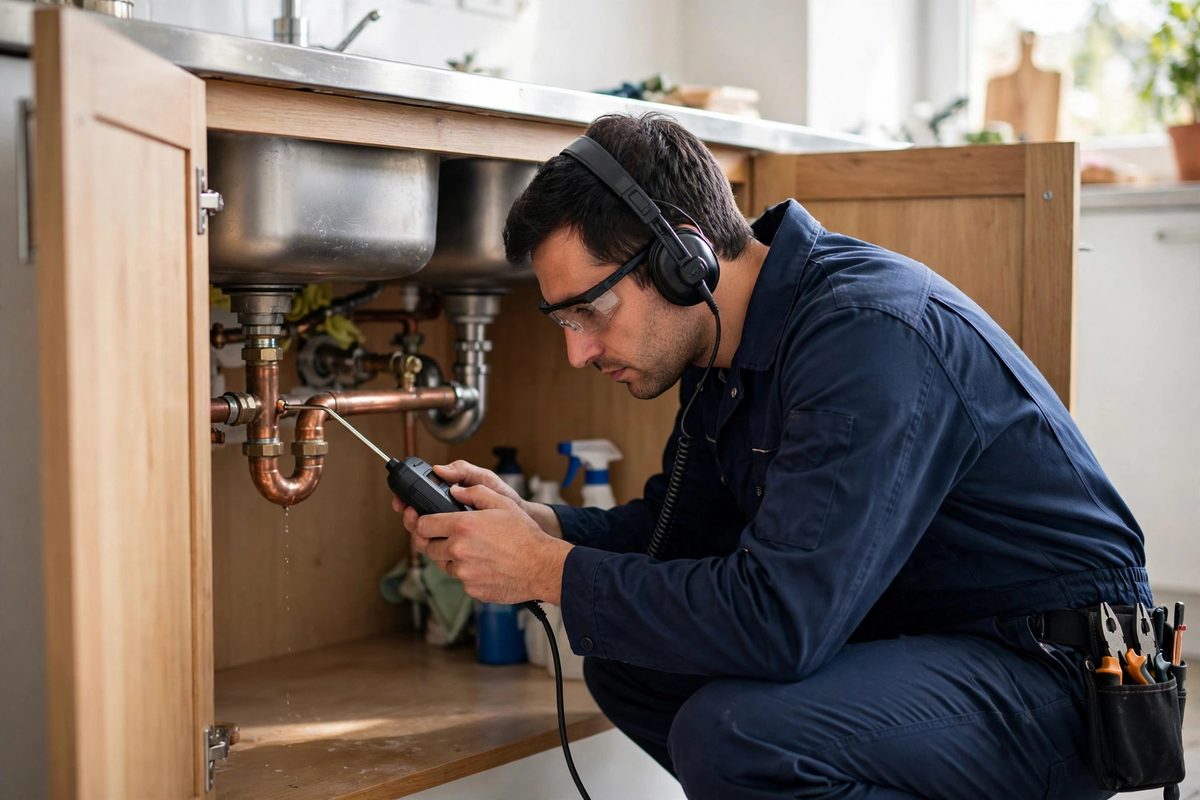
The bill jumped but your habits didn't. Work through this checklist in order — boring causes first, then the meter test, then the usual suspects hiding in your bathrooms and yard.
Read the guide →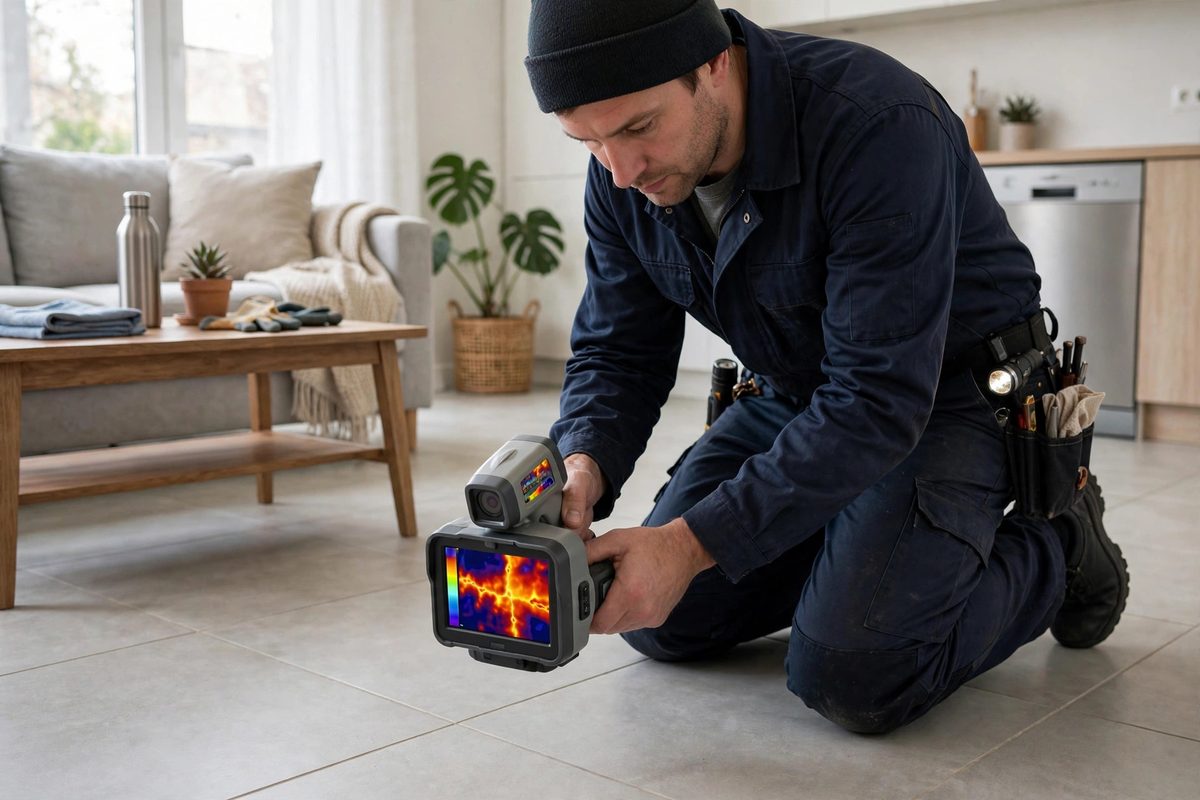
Warm spots on the floor, a meter that won't sit still, a bill that jumped for no reason — the seven clues a leak under your slab leaves behind, and what to do when you spot more than one.
Read the guide →Fast response across Keller · Non-invasive equipment · Up-front explanation of your options
